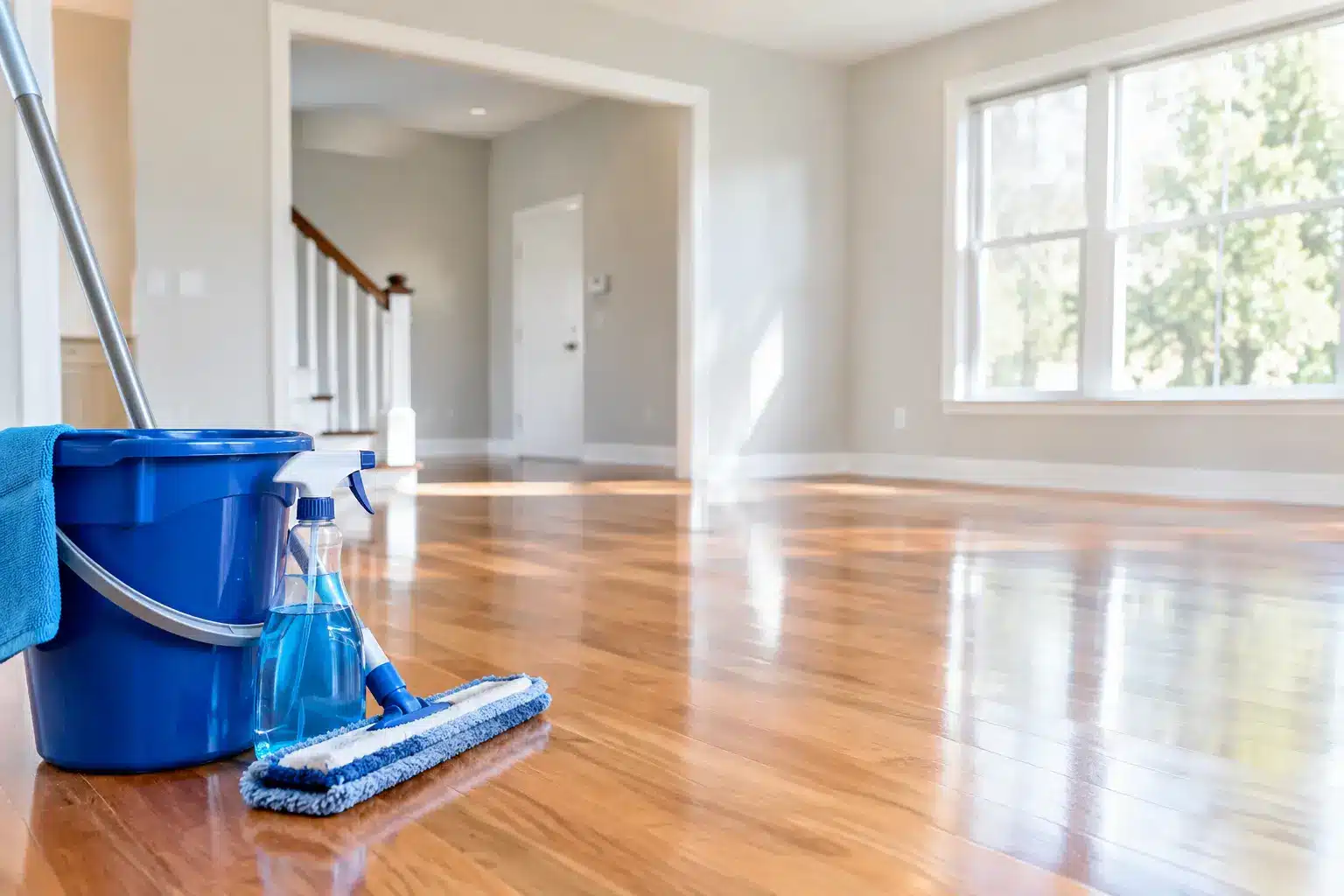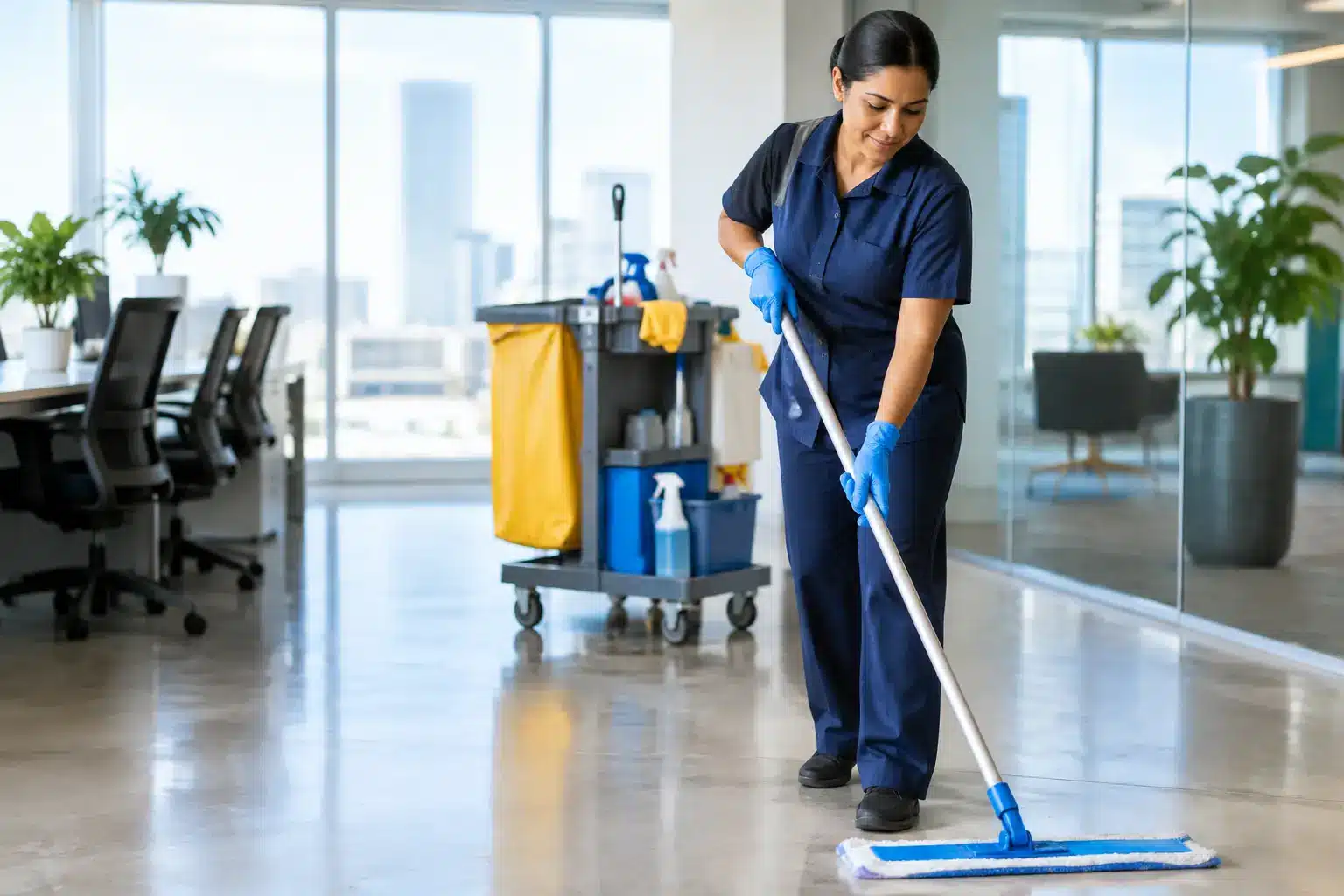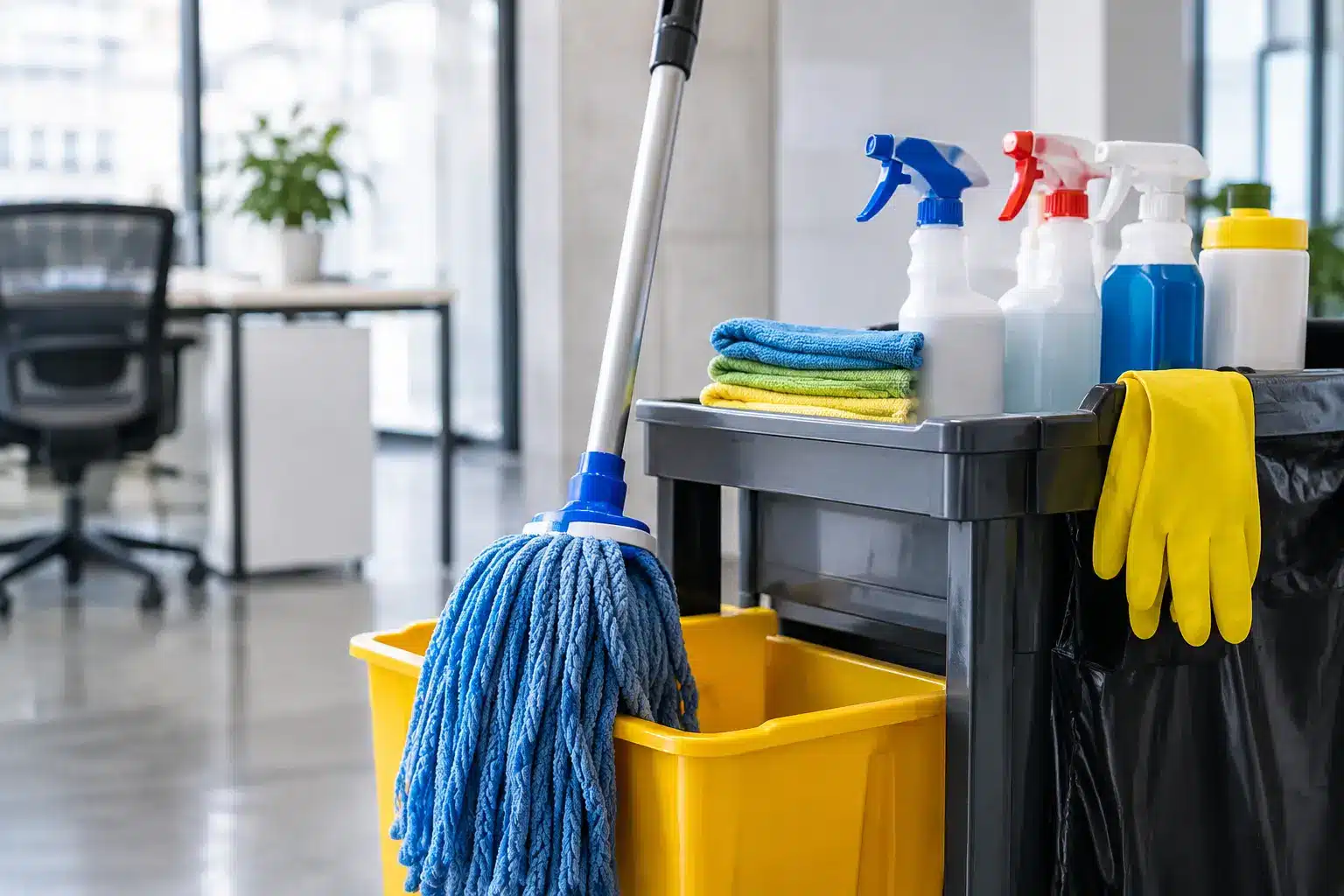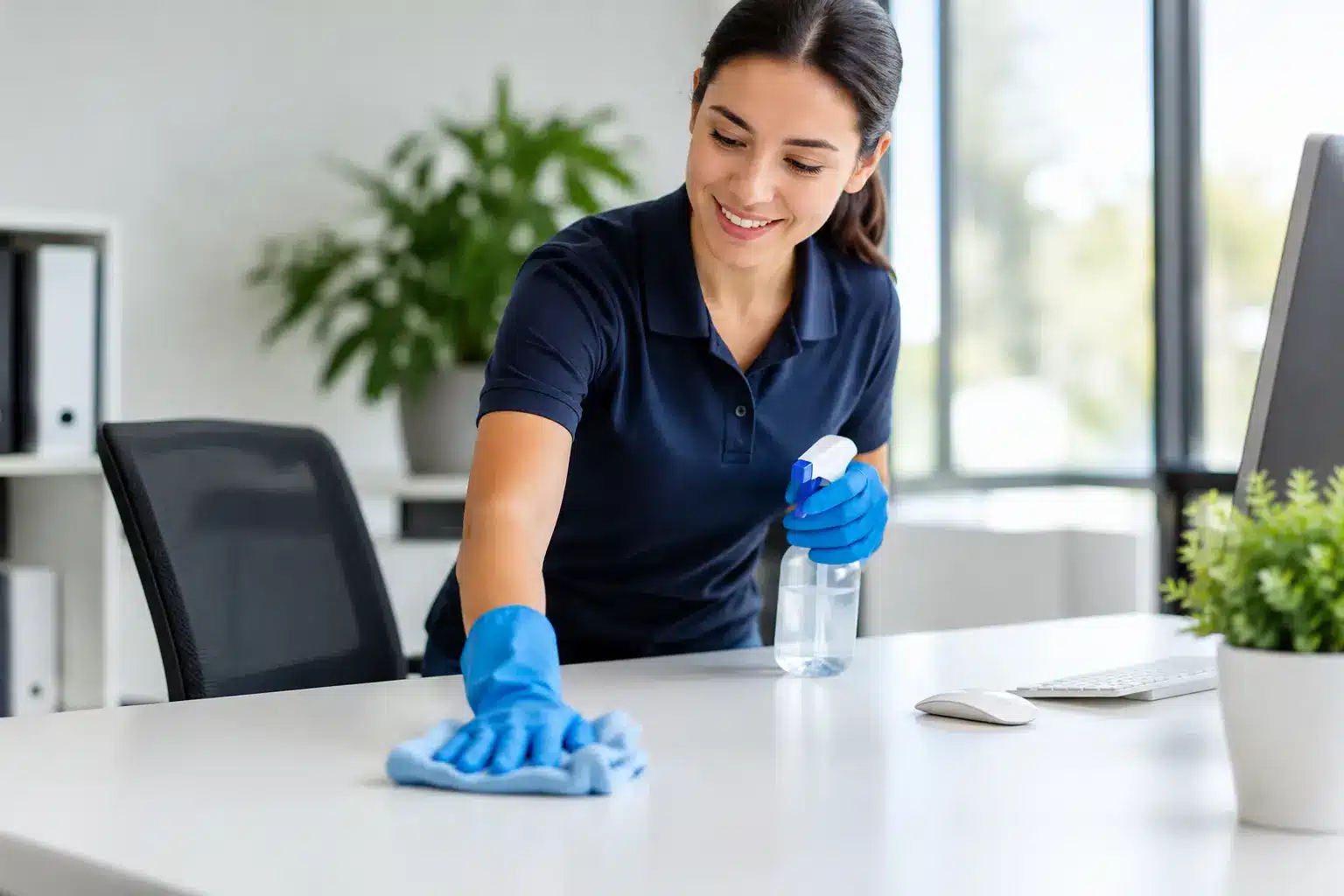
A smudged glass entry door, an empty soap dispenser, or a restroom that feels neglected can shape a visitor’s opinion before a meeting even begins. Workplace sanitation is not just about making a business look tidy. It is the daily work of keeping shared spaces clean, supplied, safe, and ready for the people who use them.
For Madison-area offices, retail spaces, apartment common areas, and commercial properties, the right sanitation plan protects the experience of employees and guests while supporting the practical demands of the workday. The best approach is consistent, tailored to the building, and detailed enough that small problems do not become bigger ones.
What Workplace Sanitation Includes
Workplace sanitation is broader than emptying trash cans or vacuuming once a week. Routine cleaning removes visible dust, dirt, crumbs, and debris. Sanitizing lowers the number of germs on a surface to safer levels. Disinfecting uses an appropriate product and contact time to address many illness-causing germs on high-touch surfaces.
Each task has a place. A conference room table may need cleaning after a meeting and more focused sanitizing before the next group arrives. A restroom needs regular cleaning, replenishment of paper goods and soap, and careful attention to fixtures, floors, partitions, and handles. A break room needs ongoing care because food residue, spills, and shared appliances can create odors and invite pests when ignored.
Good workplace sanitation also includes the details people may not name but always notice: streak-free interior glass, clean entry mats, dust-free ledges, orderly supply areas, and waste containers that are emptied before they overflow.
Why a Clean Workplace Supports Better Work
Employees should be able to focus on their responsibilities without wondering whether the break room is usable or if the restroom has been maintained. A clean environment helps reduce distractions and demonstrates consideration for the people who spend their days in the building.
There is also a business case for consistency. Clients, tenants, patients, customers, and job candidates form quick impressions based on what they see and smell. A polished lobby and a well-kept restroom signal that a business pays attention to its operations. The opposite can undermine confidence, even when the core service is excellent.
Sanitation matters most in spaces with frequent shared contact. Door handles, elevator buttons, reception counters, time clocks, copier panels, light switches, faucet handles, and refrigerator pulls can receive dozens of touches in a single day. They do not all need the same level of service at the same frequency. The right schedule depends on foot traffic, the type of business, the layout, and whether the public regularly enters the space.
Build a Plan Around How Your Building Is Used
A cleaning checklist is useful, but a checklist copied from another facility rarely produces the best result. A small professional office with mostly remote staff may need weekly service and focused attention before client appointments. A busy retail store, medical-adjacent waiting area, or multi-tenant common space may need service several times a week or every day.
Start by looking at the path people take through the property. Consider the entrance, reception area, restrooms, break room, workstations, meeting rooms, and exits. Then identify which areas receive the most traffic, which surfaces are handled most often, and where clutter or waste tends to accumulate.
A practical plan should clarify what is done each visit and what is handled on a rotating basis. Daily or frequent tasks often include trash removal, restroom maintenance, floor spot cleaning, and high-touch surface care. Weekly work may include vacuuming, mopping, dusting, and cleaning shared kitchens more thoroughly. Periodic deep cleaning can address baseboards, interior glass, high dusting, upholstery, detailed floor care, and buildup in lower-traffic corners.
This structure prevents an all-too-common problem: a facility that appears fine at a glance but slowly becomes harder to maintain because detailed work is always postponed.
Restrooms and Break Rooms Need Their Own Standards
Restrooms are often the clearest measure of whether a property is cared for. They should be checked often enough to keep soap, paper products, and sanitary supplies available. Fixtures, partitions, mirrors, handles, and floors need attention, not just the toilet and sink. Odor control also requires more than fragrance. It starts with complete cleaning, timely trash removal, and addressing spills or leaks promptly.
Break rooms present different challenges. Coffee spills, microwave splatter, crumbs, and full trash containers can make a shared room unpleasant quickly. Cleaning counters, tables, sinks, appliance exteriors, floors, and refrigerator handles helps keep the space comfortable. Employees should still be responsible for personal dishes and food storage, but a professional cleaning plan gives the entire area a dependable baseline.
Use Products That Match the People and the Space
Choosing cleaning products involves more than selecting the strongest-smelling option. Products should be appropriate for the surface, used according to label directions, and stored safely. A disinfectant cannot work as intended if it is wiped away before its required contact time, and a harsh product can damage finishes when used improperly.
For many workplaces, greener cleaning products are a sensible part of the plan. Non-toxic, animal-testing-free products can support a more comfortable environment for employees, visitors, and building occupants while still handling routine cleaning needs. The exact product choice depends on the task. High-touch disinfection, floor care, food-service-adjacent spaces, and specialty surfaces may require different solutions.
This is where trained cleaning professionals make a difference. OSHA training, ongoing safety education, and clear procedures help ensure products are used correctly rather than applied as a one-size-fits-all answer.
Communication Keeps Sanitation Consistent
Even a strong cleaning plan needs a clear point of contact. Office managers and property managers should be able to report a spill, request an extra service, adjust access instructions, or ask for additional supplies without starting over each time.
It also helps to set expectations early. Decide how cleaners will enter the building, where keys or access codes are managed, which rooms are private, and whether certain areas need service outside business hours. If employees work late, overnight cleaning may be disruptive. If the building hosts early visitors, an evening schedule may make more sense. Flexible scheduling is not an extra detail. It is part of making the service work for the business.
Regular walkthroughs are valuable, especially after a move, remodel, staffing change, or seasonal shift in traffic. Wisconsin winters bring salt, slush, and wet entryways. Spring can bring mud and pollen. A plan that worked in July may need more floor care and entry maintenance in January.
When It Is Time to Bring in Professional Help
Internal teams can often manage small daily tasks, but they may not have the time, training, equipment, or supplies to keep up with the full scope of a commercial property. Outsourcing can create consistency and allow employees to focus on the work they were hired to do.
Look for a cleaning provider that can explain its scope clearly, adapt service frequency, and stand behind its staff practices. Insurance, workers’ compensation coverage, employee screening, and safety training are meaningful protections when people are working in your facility. A provider should also be willing to discuss the products used, the timing of service, and how quality concerns will be addressed.
Class A Cleaning creates customized commercial cleaning plans for businesses throughout the greater Madison area, with meticulous service built around the spaces clients use every day. The goal is straightforward: details should be handled before they become distractions.
A well-maintained workplace tells employees and visitors that their time, health, and comfort matter. Start with the areas people rely on most, build a schedule that reflects real traffic, and give sanitation the steady attention it deserves. Contact a trusted local cleaning team today to discuss a plan that fits your property.
“Class A’s Team is phenomenal.”– Eric Anderson (Google Review)
Content Disclaimer: This article is part of Class A’s ongoing SEO and digital marketing campaign. We make every effort to keep the information accurate and current. If you find outdated or incorrect information, please contact us so we can review and update it.