A home can look tidy and still need deeper care. Dust collects behind furniture, soap film builds up in showers, and kitchen grease settles into overlooked spots. So, what does deep cleaning include? It covers the hard-to-reach areas and stubborn buildup that routine cleaning often misses.
For Madison-area households, a deep clean offers a practical reset. Schedule one before starting recurring service, welcoming guests, or moving. You can also book one after a demanding season. Every home has different needs, so the cleaning plan should match your priorities. Professional deep cleaning goes beyond a standard weekly or bi-weekly visit.
What Does Deep Cleaning Include?
Deep cleaning targets stubborn grime, built-up residue, and overlooked details. The goal goes beyond making rooms look tidy. It removes dust, fingerprints, and debris from the surfaces that affect your home’s cleanliness.
Most deep cleaning services cover kitchens, bathrooms, bedrooms, living areas, floors, baseboards, doors, and accessible surfaces. Cleaners dust thoroughly, wipe detailed areas, and vacuum crevices when the service includes them. They also focus on buildup in rooms that see frequent use.
Every home needs a different approach. Some kitchens need extra attention, while other homes have stubborn bathroom deposits or excessive pet hair. Renovations can also leave dust throughout the house. A customized plan directs cleaning time toward the areas that need it most.
Kitchen Deep Cleaning Tasks
The kitchen often needs the most attention. Cooking creates grease and residue that collect on surfaces throughout the room.
Cleaners scrub counters, backsplashes, cabinet fronts, appliance exteriors, sinks, faucets, and tables. They often clean the microwave inside and out, too. They also wipe accessible areas around small appliances and remove crumbs from cabinet and drawer exteriors. Range tops receive extra attention because grease builds up quickly.
Next, cleaners sweep or vacuum floors before mopping. They pay attention to edges and accessible areas beneath furniture. They may also wipe trash receptacles, switch plates, and door handles.
Your kitchen’s condition affects the time required. A lightly used kitchen may need only basic detailing. However, months of grease, sticky residue, and hard-water deposits can require extra work. Interior oven cleaning, refrigerator cleaning, and cabinet interiors often cost extra. Ask about these tasks before booking to avoid surprises.
Bathroom Deep Cleaning Tasks
Bathrooms need more than a quick wipe when soap scum and mineral deposits accumulate. Deep cleaning typically covers toilets, tubs, showers, sinks, counters, faucets, mirrors, and accessible tile.
Cleaners also tackle shower doors, fixtures, cabinet fronts, baseboards, and vents. They remove dust and hair from corners and accessible areas behind fixtures. Finally, they polish mirrors, glass, and chrome for a fresher appearance.
Hard water can leave deposits on shower glass, faucets, and tile throughout the Madison area. Professional products and techniques can improve these surfaces. However, some damage requires more than cleaning. Permanent etching, deep stains, damaged grout, and worn caulk may need repairs. A dependable cleaning company will explain the difference.
Bedrooms, Living Rooms, and Common Areas
Bedrooms and living spaces collect dust and fingerprints over time. Deep cleaning tackles these surfaces with extra care. Cleaners typically dust furniture, shelves, window sills, blinds, ledges, picture frames, lamps, and accessible décor.
They also wipe baseboards, doors, door frames, cabinet fronts, and reachable vents. Upholstered furniture may receive a thorough vacuuming. Cleaners vacuum carpets and mop hard floors according to the flooring type.
Under accessible furniture and along room edges, dust and pet hair often collect. Deep cleaning gives these areas extra attention. Cleaners also wipe light switches, outlet covers, handles, and other frequently touched surfaces. These details matter in busy family homes, apartments, and remote-work spaces.
Floors, Baseboards, and Overlooked Surfaces
Floor-level details often reveal the difference between routine cleaning and deep cleaning. Cleaners tackle baseboards, corners, areas behind accessible doors, stair edges, and room perimeters. These spots can collect dust, pet hair, and scuff marks.
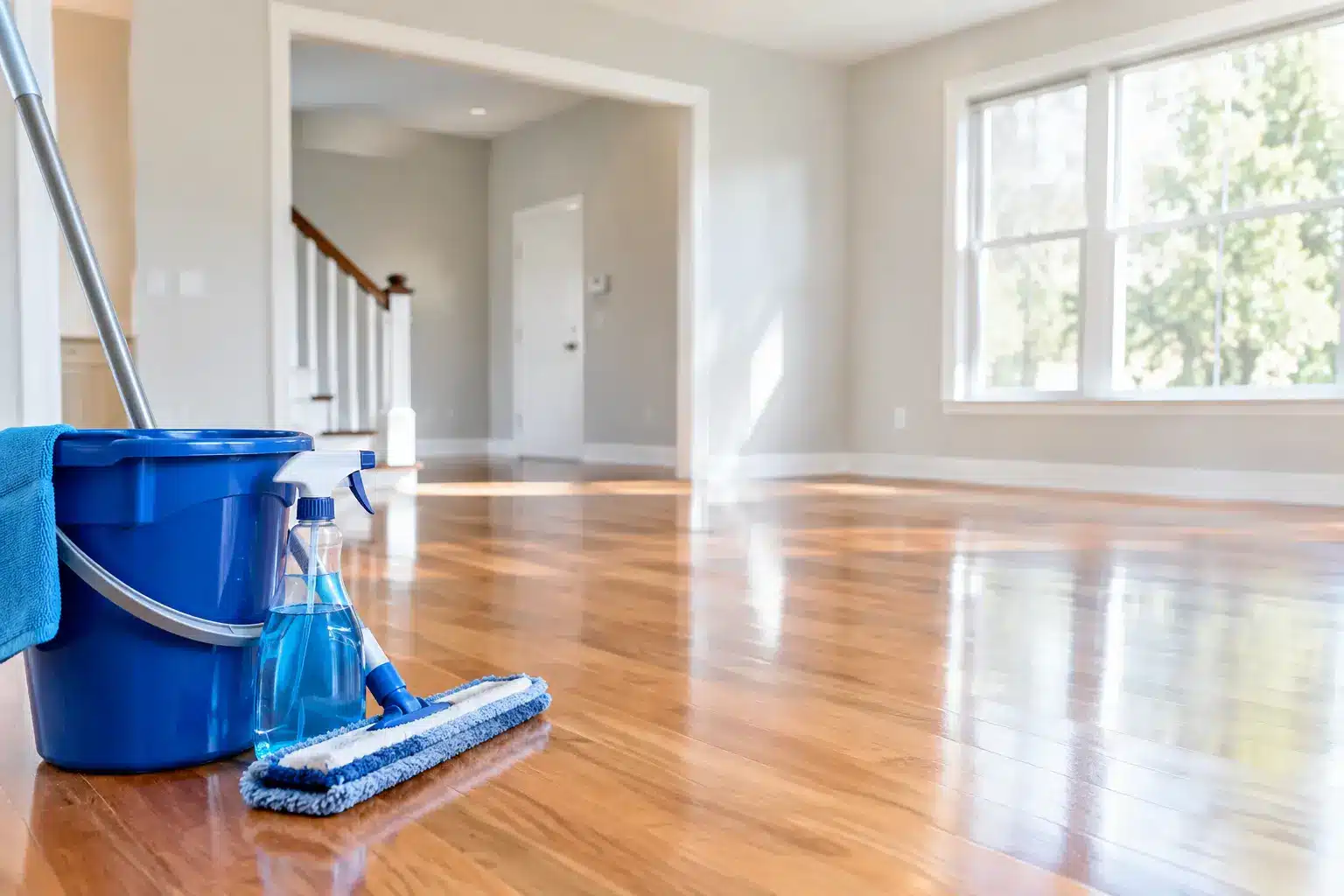
Cleaners vacuum or sweep hard floors before mopping. They also vacuum carpets thoroughly. The right method depends on your flooring. Wood, laminate, vinyl, stone, and tile each have different care requirements. The wrong product or excess moisture can cause damage, so trained cleaners choose suitable methods.
Standard deep cleaning does not usually include washing every wall. However, cleaners may spot-clean accessible marks when the paint finish allows it. Full carpet shampooing, exterior window washing, and mold remediation require specialized attention. Ask about these additional cleaning services when requesting a quote.
What Deep Cleaning Does Not Automatically Include
Even a thorough cleaning plan has limits. Deep cleaning does not automatically cover every cabinet interior, heavy furniture moving, or work on unsafe surfaces. Cleaners also cannot restore damaged materials to like-new condition through cleaning alone.
Some tasks require extra time or a separate service. These may include cleaning inside refrigerators and ovens, washing interior windows, changing linens, organizing closets, cleaning chandeliers, and removing post-construction dust.
Homes with excessive clutter, pet accidents, smoke residue, or construction debris also need special planning. Discuss these conditions before the appointment. This helps the cleaning team prepare the right supplies and work safely.
Class A Cleaning creates customized service plans to match each home’s needs. You can choose the tasks that matter most instead of paying for a standard checklist. The company also offers insured, screened cleaning professionals and family- and pet-conscious green cleaning products. These options provide added peace of mind when someone cares for your home.
How Often Should You Schedule a Deep Clean?
For many households, one or two deep cleans per year provide a useful starting point. Homes with young children, pets, allergies, frequent guests, or heavy kitchen use may need more frequent attention.
Seasonal deep cleaning can also improve the results of recurring weekly, bi-weekly, or monthly cleaning services. Once cleaners tackle built-up grime, routine visits can focus on maintaining a cleaner home.
A one-time deep clean also helps before recurring service begins. Consider scheduling one after the holidays, before welcoming a new baby, or when household chores become difficult to manage. If you plan to move, ask about move-out cleaning instead. Lease requirements and empty-home conditions may call for a different approach.
The best time to schedule a deep clean is before household chores become overwhelming. Tell your cleaning provider which areas need attention, confirm what’s included, and ask about additional costs. A thorough deep clean gives your home a fresh start and frees up more time for the people and activities you enjoy.
Content Disclaimer: This article is part of Class A’s ongoing SEO and digital marketing campaign. We make every effort to keep the information accurate and current. If you find outdated or incorrect information, please contact us so we can review and update it.