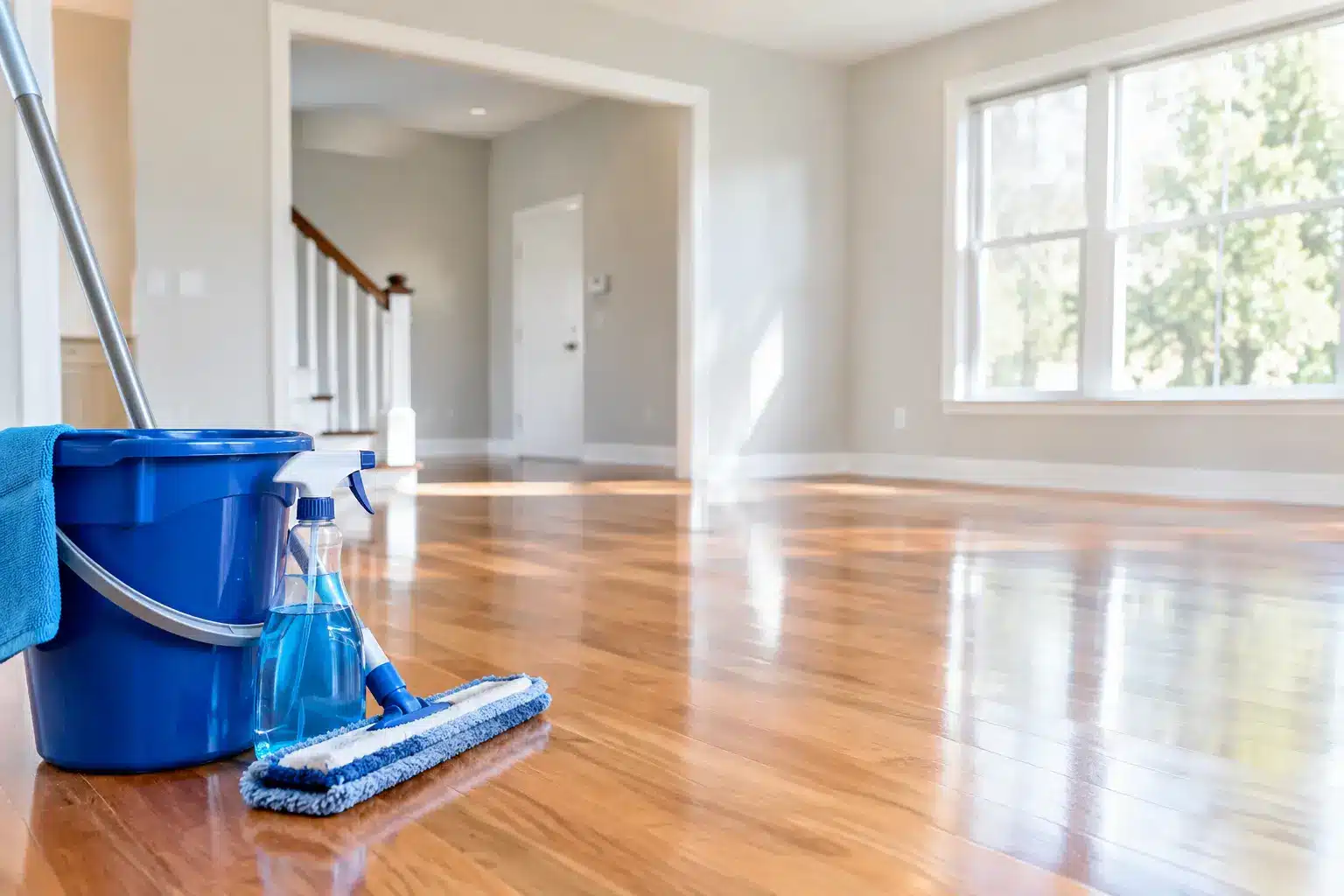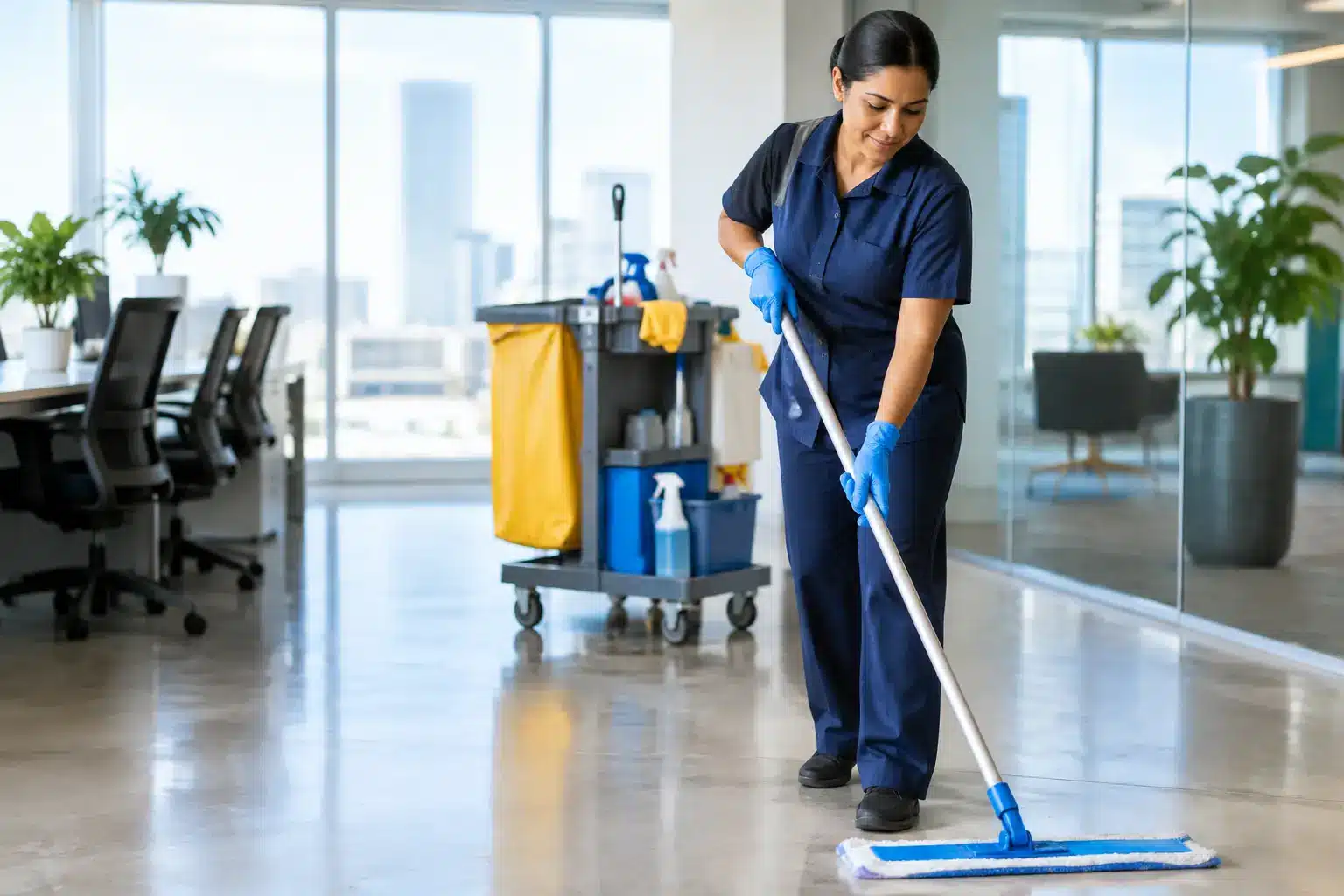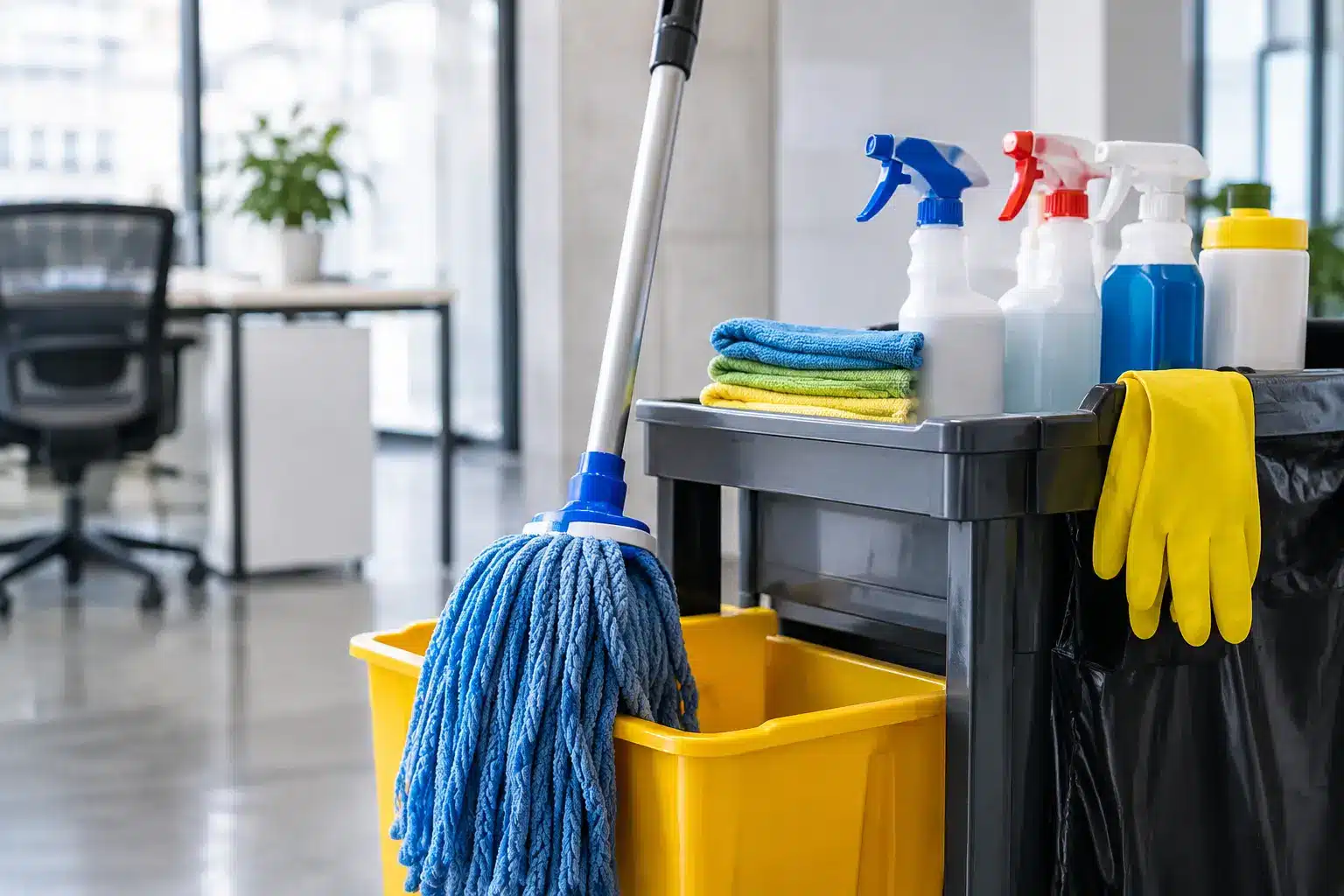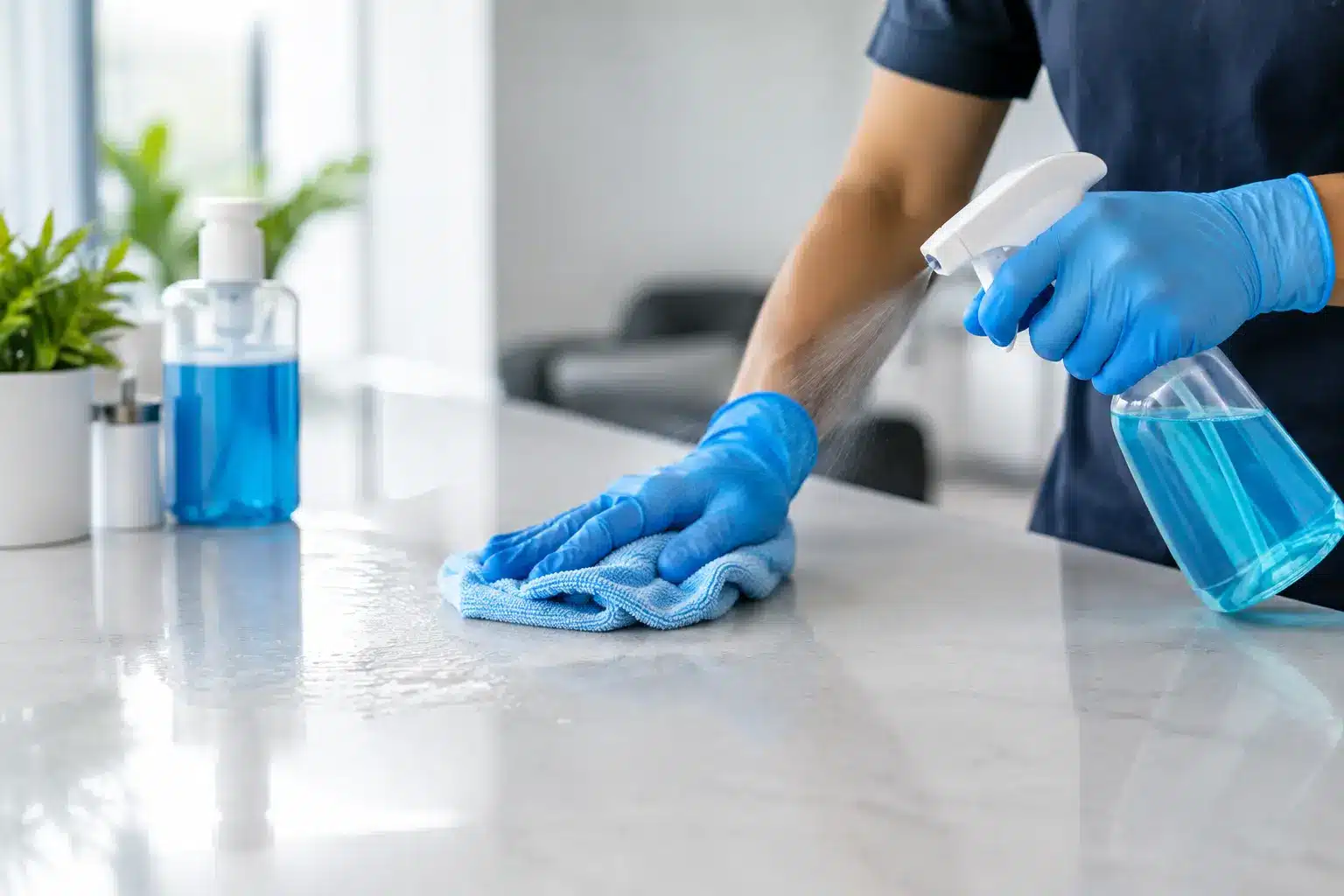
A kitchen counter after breakfast, a shared office door handle, and a restroom faucet may all look clean. However, they do not always need the same level of treatment. Understanding sanitizing versus disinfecting surfaces helps Madison homeowners, renters, and business operators choose the right approach without using stronger products than necessary.
The distinction matters for safety, product effectiveness, and the condition of materials in your home or facility. A thoughtful routine starts with regular cleaning, then adds sanitizing or disinfecting when the situation calls for it.
Cleaning Comes First
Cleaning, sanitizing, and disinfecting are related tasks, but they are not interchangeable. Cleaning removes visible soil, crumbs, grease, dust, and some germs from a surface. This process usually involves a cleaner, water, friction, and a clean cloth or mop.
Physical removal matters more than many people realize. Dirt and food residue can prevent a sanitizer or disinfectant from reaching the surface evenly. For example, a disinfecting product sprayed over a greasy stovetop or dusty desk may not work as the label intends.
Routine cleaning handles most everyday upkeep. Wiping kitchen counters after meal prep, removing fingerprints from light switches, vacuuming floors, and cleaning restroom fixtures all make a space more comfortable and presentable. In homes with children or pets, prompt cleaning also removes spills before they become sticky, stained, or harder to address.
When a surface needs more than routine cleaning, consider whether sanitizing is sufficient or disinfecting is warranted.
Sanitizing Versus Disinfecting Surfaces: The Difference
Sanitizing reduces the number of germs on a surface to a level considered safer by public health standards or product guidelines. This method often suits food-contact areas and frequently touched surfaces after cleaning. Common examples include dining tables, kitchen counters, child’s high-chair trays, and break room tables in an office.
Disinfecting is designed to kill or inactivate a broader range of germs on hard, nonporous surfaces, depending on the specific product and its label claims. This approach generally makes sense when illness raises the level of concern, such as after someone has been sick, in restrooms, or in shared spaces during periods of increased respiratory or stomach illness.
Neither process replaces good cleaning. Furthermore, neither makes a surface permanently germ-free. Someone can touch a door handle, prepare food on a counter, or set a phone down on a desk and introduce new microbes. The goal is sensible risk reduction, not an impossible standard of sterility.
When Sanitizing Is Usually Enough
Sanitizing is a practical fit for surfaces that receive regular daily use but do not have a known illness-related concern. In a home, that may include cleaned food-preparation counters, dining surfaces, reusable lunch containers, and some children’s play surfaces when the product label permits that use.
In workplaces, sanitizing can support the daily care of shared break areas, tables, reception counters, and common touchpoints. A consistent cleaning plan makes this approach especially useful in buildings where many people move through the same rooms.
Always follow the product label for the exact surface types and uses it allows. A product suitable for a countertop may not be intended for toys, food-contact surfaces, unfinished wood, or natural stone. If the label requires a potable-water rinse after use on a food-contact surface, that step is not optional.
When Disinfecting Makes Sense
Disinfection is appropriate when the level of concern is higher. If someone in the household has been vomiting, has diarrhea, or is recovering from a contagious illness, disinfecting high-touch hard surfaces can be part of a careful cleanup plan. Focus on the places hands commonly reach, including faucet handles, toilet flush levers, doorknobs, light switches, remote controls, and refrigerator handles.
Commercial restrooms, shared office spaces, fitness areas, and apartment common areas may also require scheduled disinfection based on traffic, the type of business, and current health concerns. During cold and flu season, a property manager may choose more frequent attention for elevator buttons, entry doors, mailroom counters, and shared laundry equipment.
More disinfection is not automatically better. Repeated use of a strong chemical on the wrong material can dull finishes, damage screens, dry out some surfaces, or create unnecessary odor and irritation. The right scope depends on the setting, the surface, the product instructions, and the reason for treatment.
Product Labels and Contact Time Matter
One common mistake involves spraying a disinfectant and wiping it away immediately. Most products need the surface to remain visibly wet for a stated period, known as contact time or dwell time. That time can differ for sanitizing and disinfecting claims, even with the same product.
Before starting, read the label. It explains whether the product is a cleaner, sanitizer, disinfectant, or combination product. It also identifies the organisms the product targets, the surfaces it can treat, how long it must remain wet, and whether rinsing is required.
If a surface dries before the required contact time ends, you may need to reapply the product. This step is especially relevant on large counters, restroom fixtures, and frequently touched commercial surfaces. Using enough product and allowing adequate time are part of doing the job correctly, not extra steps.
Never mix cleaning chemicals. Bleach and ammonia, for example, can produce dangerous fumes when combined. Use products in a well-ventilated area, wear gloves when the label recommends them, and keep all products secured away from children and pets. For electronics, follow the manufacturer’s care guidance rather than applying liquid directly to a screen or keyboard.
Green Cleaning and Higher-Level Germ Control
Many Madison households and workplaces want cleaning practices that are easier on people, pets, and the environment. That is a reasonable priority, especially for recurring service in occupied spaces. Non-toxic, animal-testing-free products can effectively handle many daily cleaning tasks, including soil, grease, dust, and routine buildup.
However, not every green cleaner is registered or labeled as a disinfectant. A product can be an excellent general cleaner without making claims to disinfect against specific germs. When disinfection is needed, choose a product that is properly registered and labeled for that purpose, then use it exactly as directed.
A professional plan can balance these needs. At Class A Cleaning, green cleaning practices support routine home and commercial care, while customized scopes help clients address higher-touch or higher-risk areas with the appropriate method. Rather than treating every room like a medical setting, the goal is to provide meticulous, responsible care that fits the people using the space.
Build a Routine That Fits the Space
A busy family kitchen has different needs than a quiet private office. Likewise, a shared apartment lobby requires a different approach than either one. Start with the surfaces that get the most hands, food, moisture, or foot traffic. Regular cleaning prevents buildup, while targeted sanitizing or disinfecting handles specific situations.
For a home, daily attention might include kitchen counters, dining areas, sink handles, and frequently touched bathroom fixtures. A weekly deeper clean can address floors, shower surfaces, appliance exteriors, and less-visible buildup around handles and switches. If illness occurs, increase attention to touched surfaces in bathrooms, bedrooms, and common areas until the risk has passed.
For an office or commercial property, a dependable schedule may include daily cleaning of restrooms and break rooms, regular care for entryways and touchpoints, and periodic deep cleaning for areas that accumulate grime over time. Flexible scheduling matters because a cleaning plan should support business operations rather than interrupt them.
A Clean Space Should Feel Cared For
The best choice between sanitizing and disinfecting is rarely about using the strongest product available. Instead, match the method to the surface, the level of use, and the real concern at hand. With consistent cleaning, proper product use, and a little extra attention when illness or heavy traffic calls for it, your home or workplace can feel clean, comfortable, and ready for the people who rely on it.
One of Class A’s many positive Google reviews below-
“We have been satisfied customers since around 2018!”- Meredith Tunison
Content Disclaimer: This article is part of Class A’s ongoing SEO and digital marketing campaign. We make every effort to keep the information accurate and current. If you find outdated or incorrect information, please contact us so we can review and update it.