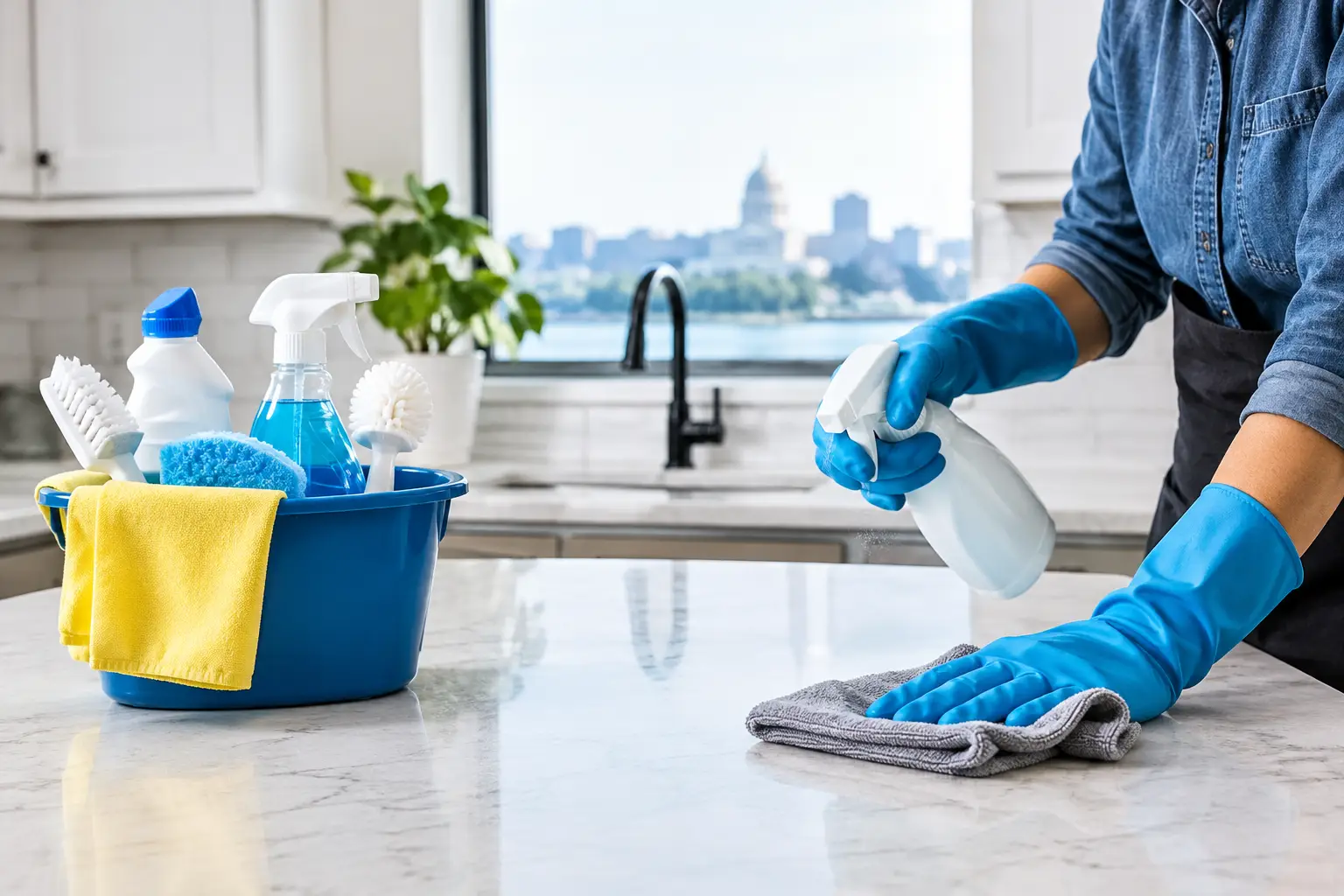
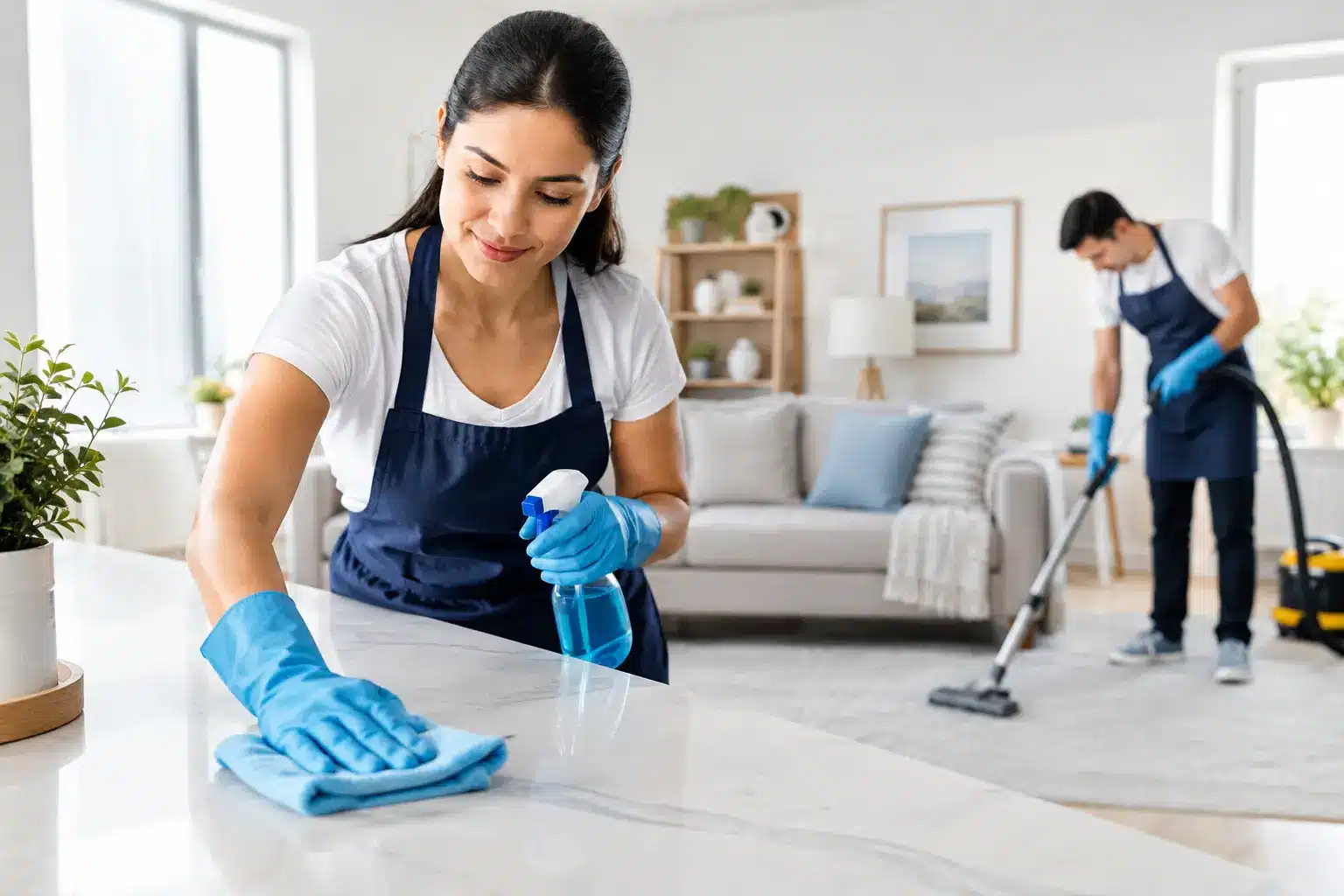
If If you run an office in Madison, professional cleaning keeps your workplace clean, presentable, and easier to manage. A strong cleaning plan should cover workspaces, floors, restrooms, break rooms, shared areas, and high-touch surfaces based on how often people use them.
What Does Office Cleaning in Madison Include?
Office cleaning in Madison covers routine cleaning of workspaces, common areas, restrooms, floors, and other high-use areas.
A professional office cleaning service can handle many tasks, including:
- Dusting desks, shelves, and surfaces
- Vacuuming carpets and rugs
- Sweeping and mopping hard floors
- Cleaning restrooms
- Emptying trash and recycling
- Cleaning break rooms and kitchens
- Wiping doors, handles, and light switches
- Cleaning interior glass
- Cleaning conference rooms
- Wiping frequently touched surfaces
- Restocking restroom supplies
- Performing periodic deep cleaning
The right cleaning plan depends on your office size and daily activity. For example, a busy office with many employees and visitors may need more frequent service than a small office with limited traffic.
How Often Should an Office in Madison Be Cleaned?
Most offices benefit from cleaning several times each week, while busy workplaces may need daily service.
There is no single schedule that works for every Madison business. Instead, consider your building’s size, employee count, customer traffic, and shared facilities.
Daily Office Cleaning
Daily cleaning works well for offices with heavy traffic and frequently shared spaces.
A daily cleaning visit may include:
- Emptying trash and recycling.
- Cleaning and restocking restrooms.
- Cleaning break rooms.
- Wiping high-touch surfaces.
- Vacuuming or spot-cleaning floors.
- Cleaning visible spills.
- Checking common areas.
As a result, daily service can help keep busy areas ready for employees and visitors.
Weekly Office Cleaning
Weekly cleaning can work well for smaller offices with lighter daily traffic.
A weekly visit may include:
- Detailed dusting
- Thorough floor cleaning
- Conference room cleaning
- Interior glass cleaning
- Restroom cleaning
- Cleaning less frequently touched surfaces
However, some businesses may still need extra attention in restrooms, kitchens, or entryways.
Monthly or Periodic Deep Cleaning
Deep cleaning focuses on areas that routine cleaning may not address during every visit.
Common deep-cleaning tasks include:
- Carpet cleaning
- Upholstery cleaning
- Baseboard cleaning
- High dusting
- Detailed floor care
- Interior window cleaning
- Cleaning hard-to-reach areas
Therefore, a business can combine routine visits with periodic deep cleaning.
Why Are High-Touch Areas Important in Office Cleaning?
High-touch surfaces need regular attention because employees and visitors handle them throughout the workday.
The CDC recommends regularly cleaning frequently touched surfaces in community facilities such as offices. Examples include door handles, counters, light switches, elevator buttons, and restroom fixtures.
Cleaning and disinfecting are also different tasks. Cleaning removes dirt and germs from surfaces. Disinfecting uses chemicals to kill germs that remain on a surface.
In many situations, regular cleaning is enough. However, disinfection can become more important after someone has been sick or when specific health concerns require it.
For Madison offices, cleaners should pay close attention to:
- Door handles
- Light switches
- Elevator buttons
- Shared equipment
- Countertops
- Break room handles
- Restroom fixtures
- Conference room tables
- Shared appliances
A consistent routine can help prevent these frequently handled surfaces from being overlooked.
What Should a Madison Office Cleaning Checklist Include?
A complete office cleaning checklist should cover workspaces, floors, restrooms, kitchens, shared areas, and frequently touched surfaces.
Workspaces
Workspaces should receive regular dusting, floor care, and surface cleaning.
- Dust furniture and surfaces
- Empty wastebaskets
- Vacuum carpets
- Mop hard floors
- Wipe commonly touched surfaces
- Clean visible spills
Restrooms
Restrooms require frequent cleaning because employees and visitors use them throughout the day.
- Clean toilets and urinals
- Clean sinks and counters
- Polish fixtures
- Clean mirrors
- Mop floors
- Empty waste containers
- Restock soap and paper products
Break Rooms
Break rooms need regular cleaning because food, drinks, and shared appliances create frequent messes.
- Clean countertops
- Wipe appliance exteriors
- Clean sinks
- Remove food waste
- Mop floors
- Wipe cabinet handles
- Clean frequently touched surfaces
Common Areas
Common areas should stay clean because they receive regular employee and visitor traffic.
- Vacuum or mop floors
- Dust furniture
- Clean doors and handles
- Empty trash
- Clean reception areas
- Wipe shared surfaces
Conference Rooms
Conference rooms should be cleaned regularly because many people may use the same tables, chairs, and equipment.
- Clean tables
- Wipe chairs and shared surfaces
- Empty trash
- Vacuum or mop floors
- Clean glass surfaces
Should Madison Businesses Use Green Cleaning Products?
Businesses can choose environmentally conscious cleaning products while still maintaining effective cleaning standards.
The EPA’s Safer Choice program helps businesses identify cleaning products that meet specific safety and performance standards. The program includes products designed for offices and other commercial facilities.
Cleaning products can also affect indoor air quality. Therefore, proper ventilation and careful product selection can help create a more comfortable workplace.
When evaluating an office cleaning company, ask about:
- EPA Safer Choice products
- Fragrance-free options
- Low-odor products
- Proper product dilution
- Safe chemical storage
- Proper ventilation
Most importantly, cleaning products should always be used according to their labels. Never mix cleaning chemicals unless the product directions specifically allow it.
How Much Does Office Cleaning Cost in Madison?
Office cleaning costs vary based on building size, cleaning frequency, floor types, restrooms, and the services required.
A small professional office may only need a few hours of cleaning each week. In contrast, a larger office with heavy traffic may need a cleaning crew several times per week.
When comparing estimates, look beyond the monthly price. Ask whether the quote includes:
- Labor
- Cleaning products
- Equipment
- Restroom supplies
- Floor care
- Trash removal
- Deep cleaning
- Additional service visits
For example, a low-cost quote may appear attractive but leave out services your business expects.
Therefore, compare the full scope of work before choosing a cleaning company.
How Do You Choose an Office Cleaning Company in Madison?
The best office cleaning company should offer reliable service, clear expectations, trained staff, and a cleaning plan that fits your building.
Use these steps when comparing local providers:
- Confirm the service area. Make sure the company serves Madison and your surrounding area.
- Review the cleaning checklist. Know exactly what the service includes.
- Ask about frequency. Decide whether daily, weekly, or customized service fits your office.
- Ask about supplies. Find out which products and equipment the company provides.
- Check experience. Commercial office cleaning requires different routines than residential cleaning.
- Discuss building access. Ask how the company handles keys, access codes, and secured areas.
- Review references and feedback. Look for signs of reliable, consistent service.
- Get a written estimate. Compare the scope of work instead of looking only at price.
A clear agreement can also prevent confusion later. Both sides should understand which areas receive service and how often the work occurs.
What Makes Office Cleaning Different in Madison?
Madison offices face seasonal cleaning challenges, especially when winter weather brings snow, salt, slush, and moisture indoors.
Wisconsin winters can create extra work around entrances and high-traffic floors. Wet shoes can quickly spread moisture through a lobby or hallway. Salt can also leave residue on flooring.
Because of these conditions, businesses may need more frequent:
- Entryway mopping
- Floor spot cleaning
- Mat cleaning
- Salt residue removal
- Lobby maintenance
Spring and fall can bring additional outdoor debris. Meanwhile, summer may increase traffic at some businesses and facilities.
For that reason, a flexible cleaning plan can make more sense than using the exact same routine all year.
Is Professional Office Cleaning Worth It?
Professional office cleaning can save employees time while creating a more consistent cleaning routine.
At first, asking employees to handle basic cleaning may seem like an easy way to reduce costs. However, those tasks still take time away from their normal responsibilities.
Professional cleaners can follow a set schedule with clearly defined responsibilities. As a result, your team can focus more on its primary work.
A professional service can also address areas employees may overlook, such as:
- Baseboards
- Restroom fixtures
- Door frames
- High-touch surfaces
- Carpet edges
- Break room appliances
- Less-visible dust buildup
Consistency is especially useful for businesses that want their office to look professional every day.
How Can You Keep an Office Cleaner Between Professional Visits?
Simple daily habits can help your office stay cleaner between professional cleaning appointments.
Employees can help by following a few basic practices:
- Clean spills as soon as they happen.
- Keep food in designated areas.
- Avoid leaving dishes overnight.
- Use trash and recycling bins correctly.
- Keep desks reasonably organized.
- Report plumbing leaks quickly.
- Report water damage or spills promptly.
- Tell management when cleaning supplies run low.
These habits do not replace professional cleaning. Instead, they help maintain the results between scheduled visits.
Final Takeaway: Finding Office Cleaning in Madison
The right office cleaning plan should match your building’s size, traffic, employees, and daily needs instead of using a one-size-fits-all schedule.
For most Madison businesses, the foundation is simple. Clean high-touch surfaces regularly. Keep restrooms and break rooms maintained. Remove trash and care for floors. Then, schedule deeper cleaning when needed.
The CDC recommends regular cleaning of frequently touched surfaces in office environments. Meanwhile, the EPA provides resources for businesses that want to select cleaning products with safer ingredients.
Whether you manage a small professional office or a larger commercial building, a written cleaning checklist can make expectations clear. It can also make comparing local cleaning companies much easier.
Ultimately, the best office cleaning service is one that fits your building, schedule, and budget. A customized plan can help keep your Madison workplace clean, comfortable, and ready for employees and visitors.