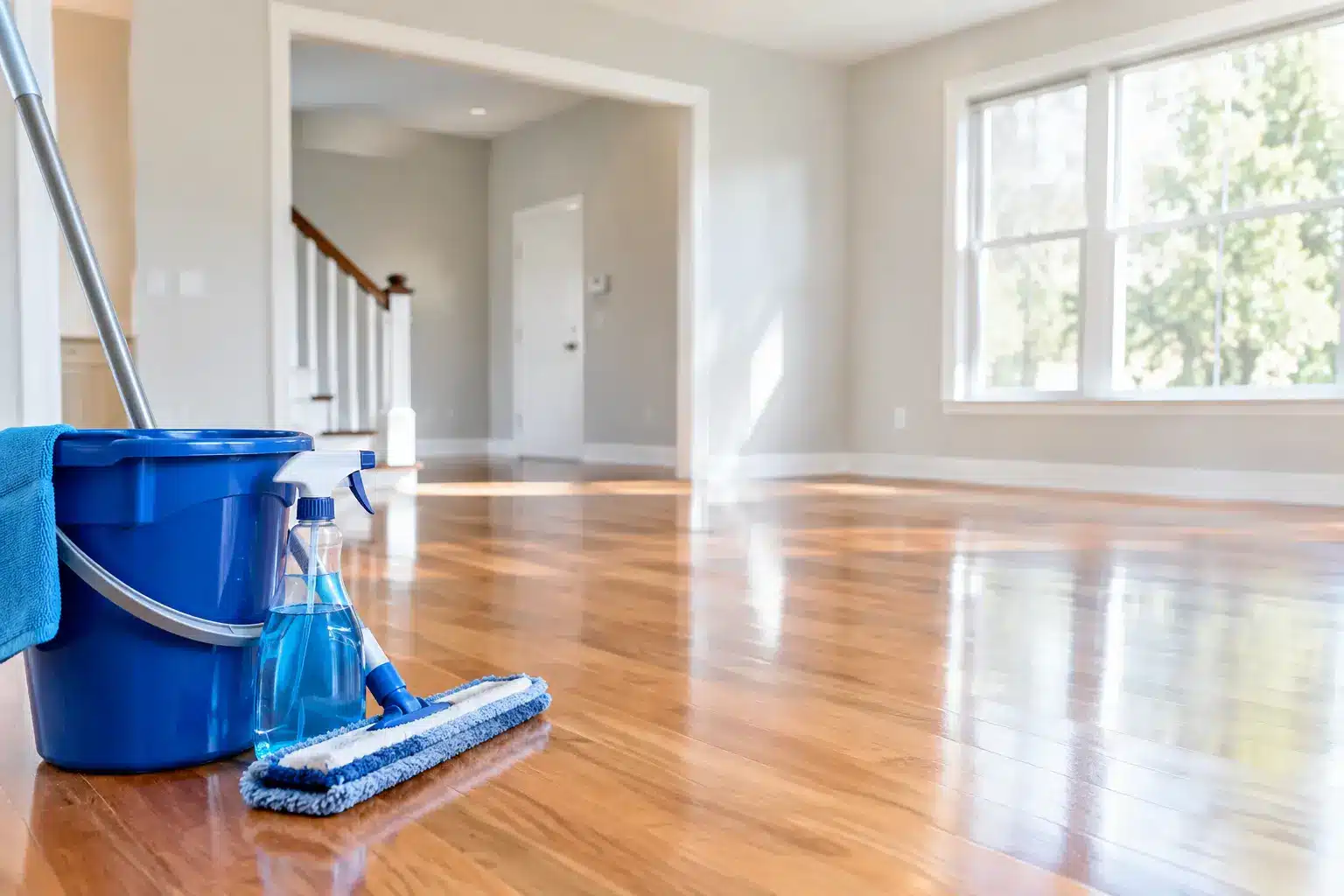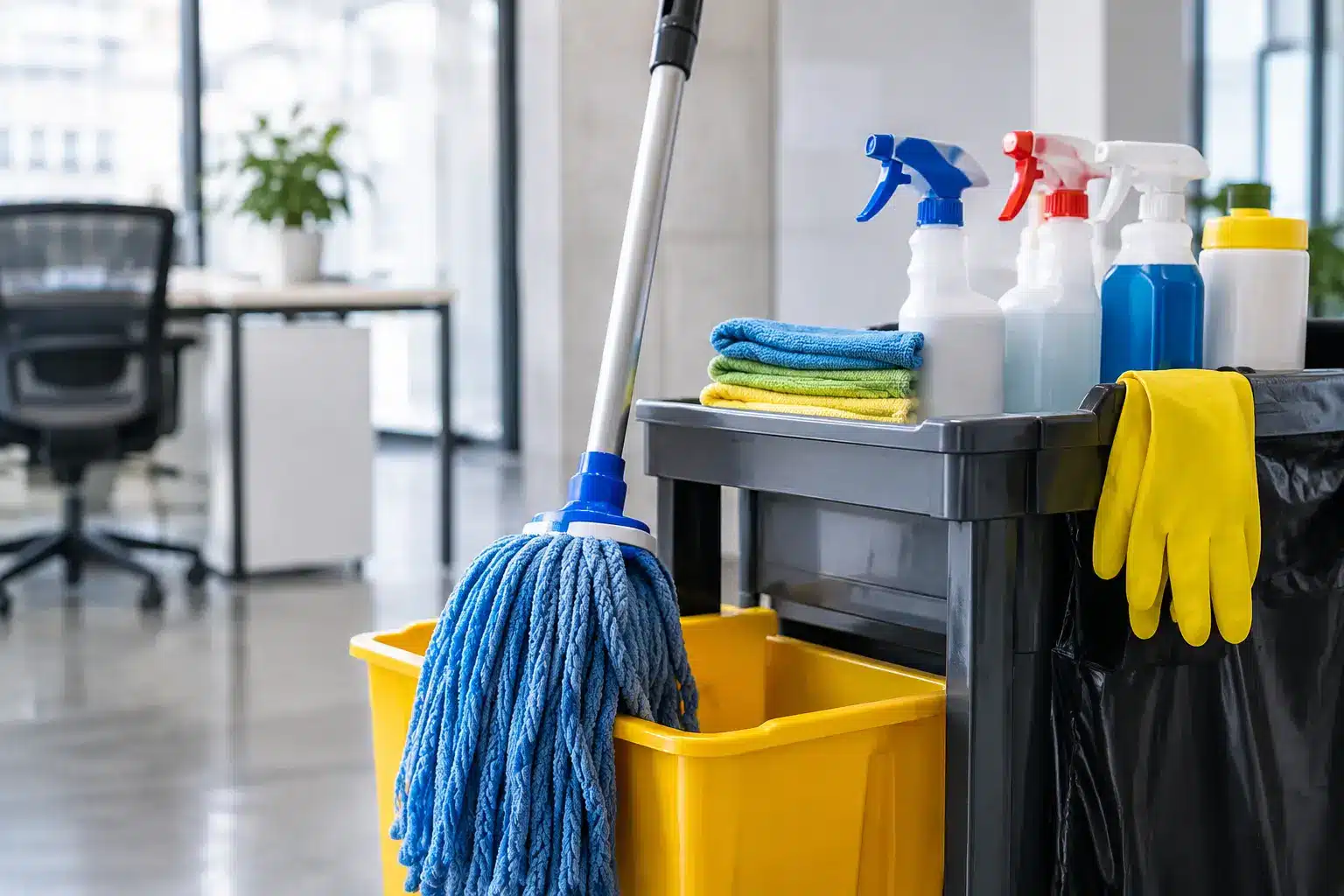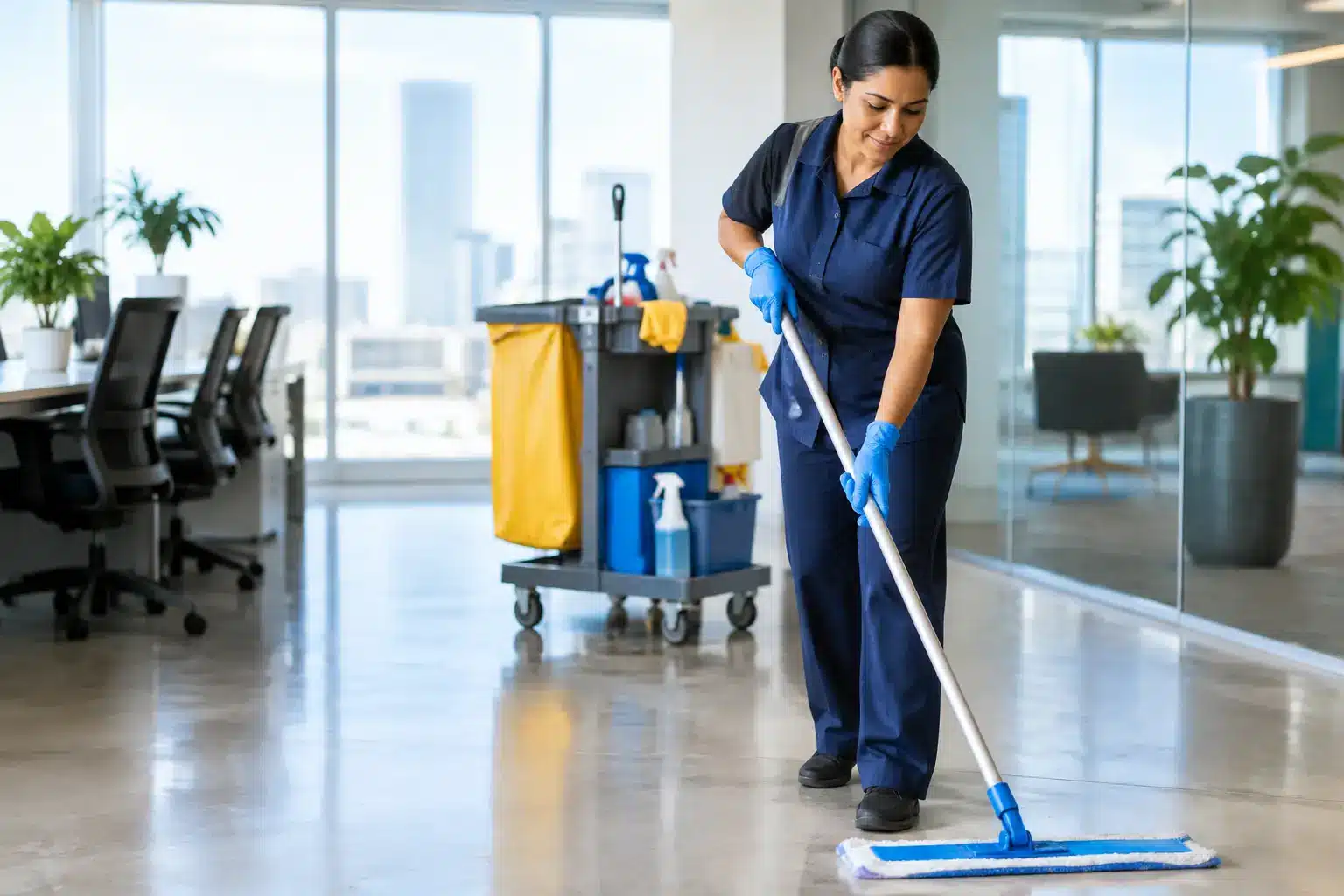
A smudged glass entry, full restroom dispensers, and trash left overnight can change how employees, customers, and prospective tenants see a property before anyone says a word. Janitorial outsourcing gives Madison-area businesses a practical way to protect that first impression without asking office staff, managers, or maintenance teams to carry another daily responsibility.
The right cleaning partner does more than empty bins and run a vacuum. They create a consistent cleaning routine around your building’s traffic, operating hours, health needs, and budget. For offices, retail spaces, apartment common areas, and commercial properties, that consistency supports a cleaner workplace and a more professional experience for everyone who walks through the door.
What Janitorial Outsourcing Actually Means
Janitorial outsourcing means hiring a professional cleaning company to manage routine facility cleaning instead of employing and supervising an in-house cleaning staff. The cleaning company provides trained team members, supervision, equipment, supplies, scheduling, and often a customized quality-control process.
The scope can be simple or detailed. A small office may need trash removal, restroom cleaning, vacuuming, and touchpoint disinfection twice a week. A busy retail location may need nightly service, glass cleaning, floor care, and restrooms checked after high-traffic periods. An apartment community may need lobbies, hallways, laundry rooms, fitness centers, and shared restrooms maintained on a recurring schedule.
Outsourcing does not have to mean giving up control. A good provider starts with a walkthrough, asks how the space is used, and builds a plan around the areas that matter most. You should know what will be cleaned, how often it will happen, who to contact with a request, and how service concerns will be handled.
Why Businesses Choose a Professional Cleaning Partner
Managing cleaning internally can look straightforward until coverage becomes an issue. Someone calls in sick, supplies run low, a restroom needs attention before a client meeting, or an employee has to stay late to finish work that is outside their role. Those interruptions add up.
With a professional janitorial team, cleaning is the team’s job, not an extra task handed to your receptionist, property manager, or operations lead. A dependable provider also brings systems that many businesses do not want to build from scratch: employee screening, workers’ compensation coverage, liability insurance, safety training, task checklists, and backup staffing.
There is also a health and safety benefit. Restrooms, break rooms, shared desks, door handles, and entrances receive regular attention, which helps reduce grime, odors, and the buildup that makes a facility feel neglected. Cleaning cannot prevent every illness, but consistent attention to high-touch and high-use areas supports a healthier environment.
For customer-facing businesses, the value is especially visible. Clean floors, fresh restrooms, clear entryways, and orderly common areas tell visitors that the business pays attention to details. That is not a cosmetic extra. It is part of the customer experience.
The Best Service Frequency Depends on Your Facility
There is no single schedule that works for every property. Cleaning frequency should reflect how many people use the space, what kind of work happens there, and which areas receive the most wear.
A professional office with light weekday traffic may be well served by two or three visits each week. A medical-adjacent office, gym, retail space, restaurant-adjacent property, or busy shared workplace may require daily service. Apartment common areas often need recurring cleaning paired with periodic detail work for floors, walls, elevators, and entrances.
The most effective plans usually separate daily needs from less frequent tasks. Trash, restrooms, floors, and touchpoints may be handled each visit. Interior glass, baseboards, detailed dusting, carpet spotting, and deeper floor work can be scheduled weekly, monthly, or as needed. This approach keeps routine service focused while ensuring the details do not get overlooked.
Seasonal conditions matter in Wisconsin, too. Winter brings salt, slush, and moisture into entryways and hallways. Spring can bring mud and increased pollen. A cleaning plan should be flexible enough to add attention where the season creates extra wear rather than treating every month exactly the same.
What to Look for Before You Outsource
Price matters, but a low quote is only useful if the provider can deliver reliable work and protect your property. Ask how the company hires and trains employees, whether team members are screened, and what happens if a regular cleaner is unavailable. You are trusting people with access to your building, often after hours, so these questions are basic due diligence.
Insurance and workers’ compensation coverage should also be clear. A professional provider should be able to explain its protections without hesitation. Safety training is equally relevant, particularly for teams working around wet floors, stairs, cleaning chemicals, construction debris, or occupied commercial spaces.
It is worth asking about products as well. Some facilities need fragrance-sensitive options, while others want products that align with their environmental goals. Green cleaning can be a practical choice when it uses effective, non-toxic products that are safer around employees, visitors, families, and pets. The products still need to match the job. A provider should know when a gentle daily cleaner is appropriate and when a specialized product or process is required.
Finally, look for a provider that takes communication seriously. You should not have to wait weeks to report a missed task, request an extra visit, or adjust the scope after your needs change. A responsive local company can make a real difference when an event, weather issue, tenant turnover, or unexpected spill changes the plan.
Build a Scope That Makes Expectations Clear
Vague instructions lead to inconsistent cleaning. Rather than asking for “general cleaning,” identify the rooms, surfaces, and priorities that matter to your operation. A clear scope may cover restrooms, break rooms, offices, reception areas, hallways, stairwells, elevators, trash collection, floor care, and high-touch surfaces.
It should also distinguish between routine service and occasional work. For example, window cleaning, carpet extraction, construction cleanup, deep cleaning, and hard-floor maintenance may sit outside a standard nightly checklist. That does not make them less important. It simply helps both sides plan labor, timing, and cost accurately.
During the initial walkthrough, point out sensitive areas and access requirements. Let the cleaning team know about alarm procedures, restricted rooms, confidential paperwork, special flooring, pets, resident schedules, or equipment that should not be moved. The more clearly these details are discussed at the beginning, the easier it is to maintain a smooth working relationship.
Understand the Cost Without Chasing the Lowest Bid
Janitorial pricing is usually based on the size of the space, cleaning frequency, building layout, condition, restrooms, floor types, labor needs, and required tasks. A small, open office is different from a multi-floor building with several restrooms and heavy foot traffic. After-hours access, special security procedures, and supply management can also affect the quote.
The lowest bid may leave out the labor time needed to clean thoroughly. When service is underpriced, the result can be rushed work, high staff turnover, skipped details, or inconsistent scheduling. On the other hand, the most expensive proposal is not automatically the best choice. Compare what is included, how quality is checked, and whether the provider can adapt as your facility changes.
A customized plan often provides better value than a one-size-fits-all package. You may need more attention in public areas and less frequent service in private offices. Adjusting the scope around actual use can protect both cleanliness and budget.
A Better Start Leads to Better Long-Term Service
The first few weeks of janitorial service should be treated as an adjustment period, not a set-it-and-forget-it arrangement. Walk the facility after service, note what looks good, and communicate specific concerns early. A professional cleaning company should welcome feedback because it helps refine the checklist and establish the standard you expect.
For Madison businesses that want careful, flexible commercial cleaning, Class A Cleaning builds service plans around each facility rather than forcing every property into the same routine. Insured operations, workers’ compensation coverage, screened employees, OSHA training, and ongoing safety education help create confidence in the people caring for your space.
A clean facility should feel like one less thing your team has to manage. Start with an honest walkthrough, ask direct questions, and choose a partner that treats the details as part of the job. When the cleaning plan fits the way your building actually operates, your employees and visitors will notice the difference every day.
“Class A Cleaners team of three just left after my standard cleaning for the 16th month of exceptional service. I can’t ever see why I would hire anyone else. I am serious get a cost quote and then try them. You will be very happy.” – Julie Turnbull (Class A Clean Google Review)
Content Disclaimer: This article is part of Class A’s ongoing SEO and digital marketing campaign. We make every effort to keep the information accurate and current. If you find outdated or incorrect information, please contact us so we can review and update it.