A clean-looking home can still hold the particles that trigger sneezing, itchy eyes, congestion, and asthma symptoms. Knowing how to reduce household allergens means paying attention to what settles into fabrics, travels in on shoes and pets, and grows where moisture lingers. The goal is not to create a sterile home. It is to lower the everyday allergen load so your space is more comfortable for the people and pets living in it.
For Madison-area households, the plan often changes with the season. Spring and fall bring pollen indoors, winter keeps windows closed and dust circulating, and humid days can create the conditions mold needs. A few consistent routines make a meaningful difference without turning your week into one long cleaning project.
Start With the Allergens You Can Actually Control
Most household allergy symptoms are connected to a small group of common triggers: dust mites, pet dander, pollen, mold spores, and cockroach allergens. These particles are easy to carry from room to room because they collect in soft surfaces, corners, vents, and clutter.
Dust mites thrive in bedding, upholstered furniture, rugs, and stuffed toys. They are too small to see, but their waste particles can become airborne when bedding is shaken or furniture is disturbed. Pet dander is also microscopic and can remain in a home long after a pet leaves the room. Pollen enters through open windows, clothing, hair, shoes, and a dog’s coat after a walk.
This is why quick surface cleaning alone is rarely enough. A more effective approach combines removal, filtration, laundry, and moisture control. Where you focus depends on your household. A home with pets may need more frequent vacuuming, while a basement apartment may need closer attention to humidity and mold prevention.
How to Reduce Household Allergens Through Cleaning
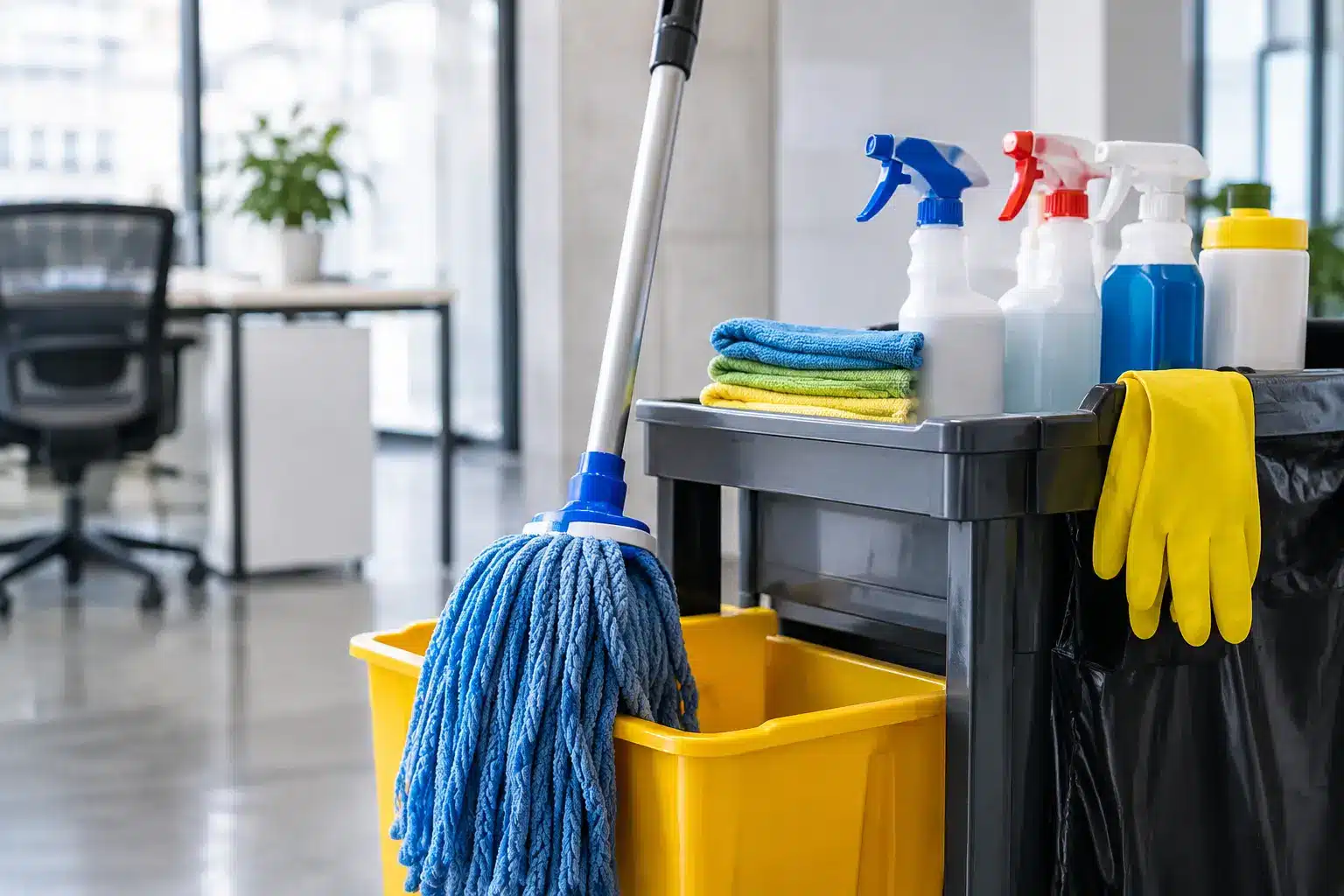
Cleaning works best when it captures allergens instead of simply moving them into the air. Dry dusting with a feather duster, for example, can send particles floating back onto furniture and floors. Use a slightly damp microfiber cloth for hard surfaces, including shelves, window sills, ceiling fan blades, baseboards, and blinds. Rinse or wash the cloth after use so it does not redistribute dust during the next cleaning.
Vacuum carpets, area rugs, upholstered furniture, and the edges of rooms regularly. A vacuum with a sealed system and HEPA filter is especially helpful for households managing allergies, because it is designed to contain fine particles rather than exhaust them back into the room. Go slowly over high-traffic areas and under furniture where pet hair and dust tend to gather.
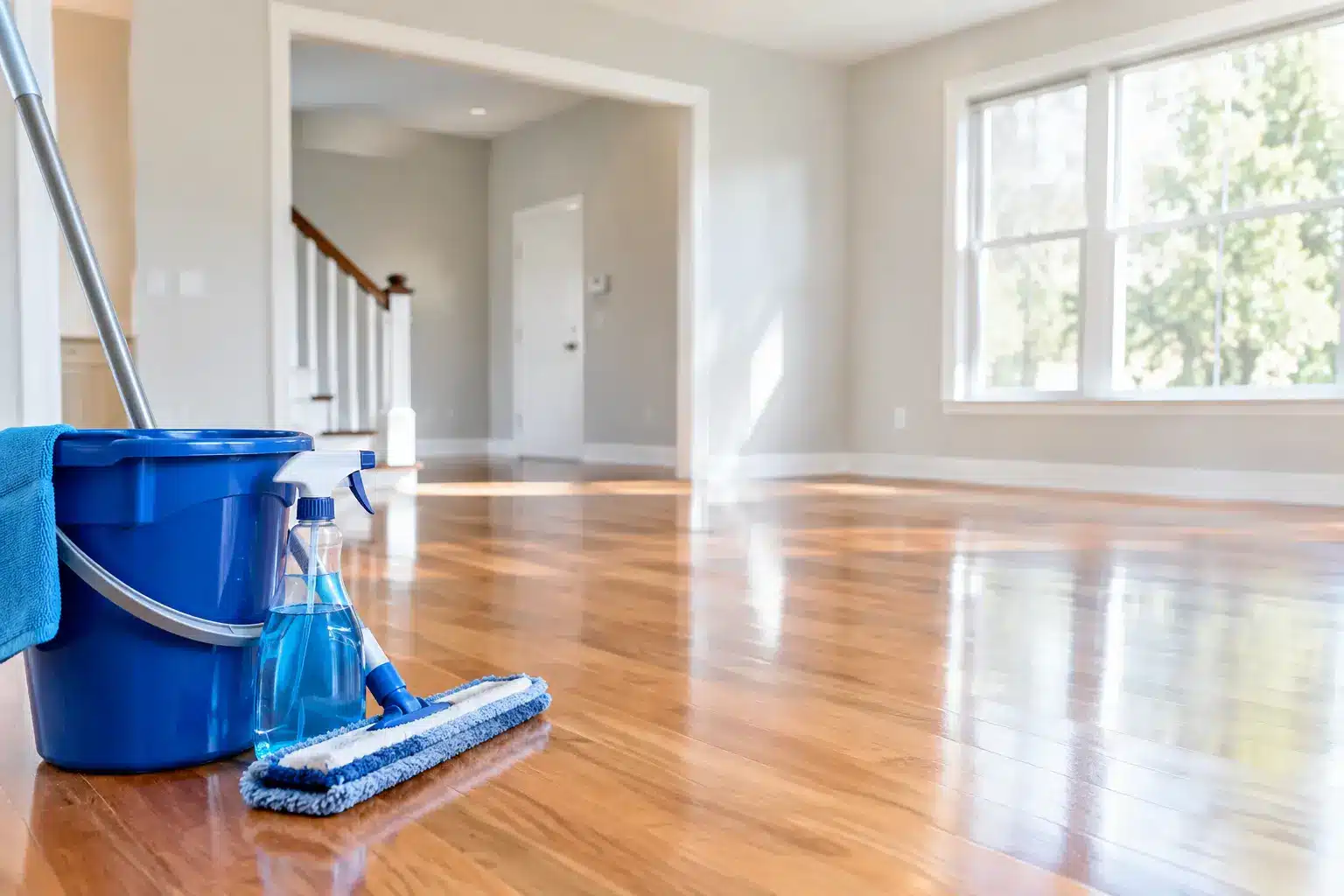
Hard floors need attention, too. Vacuum or sweep carefully first, then damp mop. Wet mopping a floor covered in loose debris can create a muddy film that dries into corners. For households with allergy-sensitive family members, choose cleaning products with clear ingredients and avoid heavily fragranced sprays when possible. A product labeled green is not automatically fragrance-free or appropriate for every sensitivity.
Do not forget the less obvious dust collectors: lampshades, picture frames, vent covers, computer keyboards, houseplant leaves, and the tops of cabinets. You do not need to tackle all of them every day. Adding a few to your weekly or monthly rotation prevents buildup from becoming overwhelming.
Give Bedrooms the Most Attention
Because people spend so many hours sleeping, bedrooms are one of the best places to make changes. Wash sheets and pillowcases weekly in hot water when the fabric care label allows it. Wash blankets, comforters, mattress pads, and pillow protectors on a regular schedule as well.
Allergen-proof covers for mattresses and pillows can help limit exposure to dust mites, particularly for someone with confirmed dust-mite allergies. They are not a substitute for laundering, but they can be a useful layer of protection. If possible, keep piles of decorative pillows, extra blankets, and plush toys to a manageable number. Soft items are cozy, but each one is another surface that holds dust.
Vacuum the mattress surface occasionally using an upholstery attachment, and clean beneath the bed. Storage bins with lids are generally easier to keep dust-free than open baskets or loose items stored on the floor.
Handle Pet Dander Without Blaming the Pet
Pets are family, and reducing dander does not mean your dog or cat has to be kept out of every room. It does mean setting practical boundaries. Keeping pets out of bedrooms can reduce overnight exposure for a person with allergies. Washing pet bedding regularly and grooming pets outside or in an easy-to-clean area also helps.
Vacuum furniture where pets rest, including under cushions. If a pet rides in the car, clean the upholstery there as well. Dander travels on clothing, blankets, and bags, so consistency matters more than one major cleaning day.
Keep Outdoor Allergens From Settling In
Pollen control begins at the door. During high-pollen periods, leave shoes near the entry, place washable mats inside and outside the door, and encourage family members to wash hands after being outdoors. Changing clothes after yardwork, sports, or a long walk can prevent pollen from settling into sofas and bedding.
On days when pollen counts are high, closed windows may be more comfortable than relying on a breeze. If you use window air-conditioning units, keep filters clean and make sure the unit drains correctly. After outdoor time, showering before bed can help keep pollen out of pillowcases.
Entryways deserve regular cleaning because they collect what the rest of the home tracks in. Vacuum mats, mop hard floors, and wipe down nearby baseboards. This small area often has an outsized effect on the amount of outdoor debris moving through the house.
Control Moisture Before Mold Takes Hold
Mold needs moisture, so prevention is usually more effective than repeated scrubbing. Use bathroom exhaust fans during showers and for a while afterward. Run the kitchen vent when cooking, repair plumbing leaks promptly, and dry wet bath mats, towels, and shower walls rather than leaving them damp for days.
Basements, laundry rooms, and bathrooms are common trouble spots in Wisconsin homes. A hygrometer can help you monitor indoor humidity. Many homes are most comfortable when humidity stays roughly between 30% and 50%, although the right setting can vary with the season and the building. If humidity remains high, a properly sized dehumidifier may help.
Pay attention to musty odors, peeling paint, recurring condensation, or discolored grout and caulk. Small areas of surface mildew may be manageable with appropriate cleaning and drying, but extensive growth or damage caused by a leak should be evaluated by a qualified professional. Covering stains with paint or fragrance does not solve the moisture problem underneath.
Improve Air Flow and Filtration
Your heating and cooling system plays a role in allergen management. Replace or clean filters according to the manufacturer’s recommendation, and consider a filter rated to capture finer particles if your system can accommodate it. A higher-rated filter can be helpful, but it may also restrict airflow in some systems. When in doubt, ask an HVAC professional what is appropriate for your equipment.
Portable HEPA air cleaners can be useful in bedrooms or frequently used living areas, particularly during pollen season or when pets share the home. Choose a unit sized for the room and keep doors and windows positioned as needed for the situation. An air cleaner cannot compensate for a damp basement, dirty bedding, or a carpet full of pet hair, but it can complement a dependable cleaning routine.
Vent covers should be dusted or vacuumed regularly. If you see heavy debris around vents or notice weak airflow, address the cause rather than repeatedly cleaning the grille alone.
Build a Routine You Can Keep
The most effective schedule is the one your household can realistically maintain. Bedrooms, floors, bathrooms, and pet areas generally benefit from weekly attention. Deep tasks, such as cleaning blinds, washing curtains, moving furniture, and detailing baseboards, can be rotated monthly or seasonally.
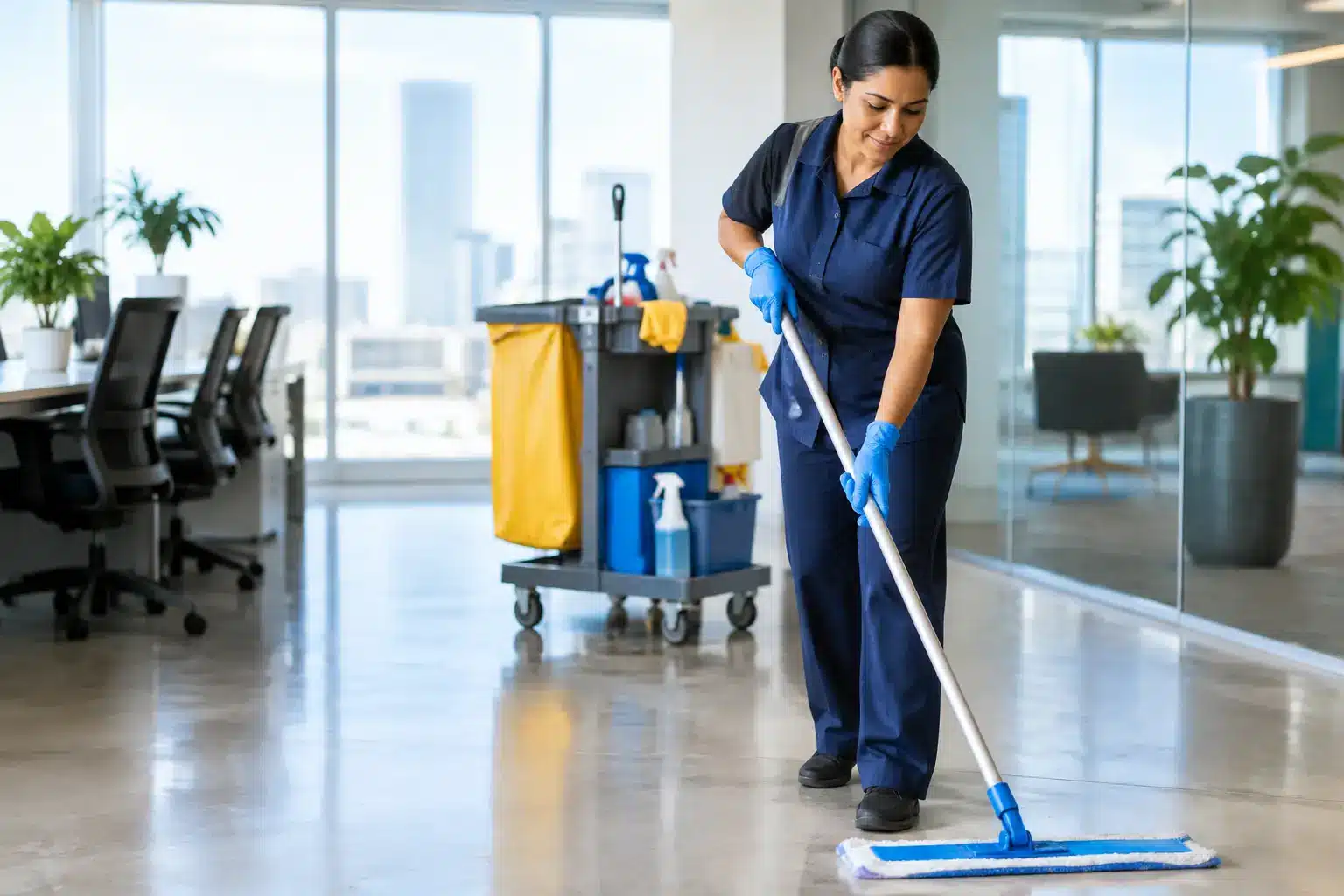
Busy families, renters preparing for a move, and remote workers do not always have time for the deeper work. A customized recurring cleaning plan can keep dust-prone surfaces, floors, bathrooms, and high-touch areas on schedule while you manage the routines that are specific to your family. Class A Cleaning uses family- and pet-conscious green cleaning products and can tailor service around the rooms and tasks that need the most attention.
A lower-allergen home is built through steady care, not perfection. Start with the bedroom, the entryway, and any damp areas, then add the next habit once the first ones feel routine. A few well-cleaned corners can make the whole home feel easier to breathe in.
Content Disclaimer: This article is part of Class A’s ongoing SEO and digital marketing campaign. We make every effort to keep the information accurate and current. If you find outdated or incorrect information, please contact us so we can review and update it.