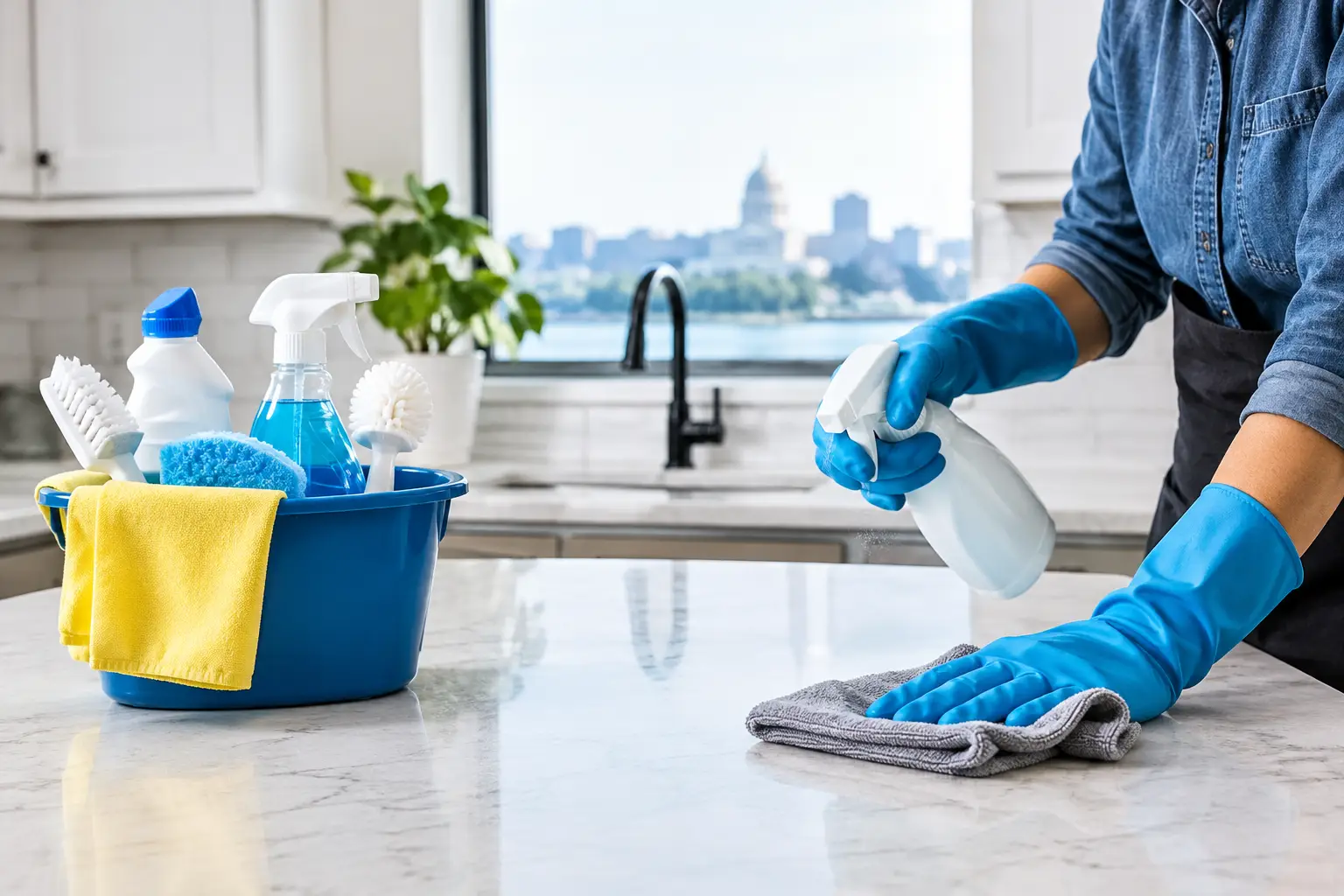
A Madison winter can turn a freshly cleaned entryway into a trail of salt, slush, and grit by the end of one busy day. In summer, open windows, pollen, pets, and outdoor activity create a different kind of mess. Knowing how to choose cleaning frequency starts with an honest look at how your space is actually used, not with a one-size-fits-all schedule.
The right plan should make daily life easier without paying for service you do not need. For some households, weekly cleaning keeps up with children, pets, and packed calendars. For others, a bi-weekly visit provides the right balance of professional detail and manageable upkeep. Businesses and rental properties have their own demands, especially when appearances, hygiene, and foot traffic affect employees, residents, or customers.
Start With What Happens Between Cleanings
The best cleaning frequency is the one that prevents small messes from becoming stressful, time-consuming projects. Think beyond how often you want to clean and consider what your home, office, or property looks like after seven, 14, or 30 days without professional attention.
A home with two adults who travel often may stay comfortable with monthly service, particularly if they handle light tidying and dishes between visits. A household with a shedding dog, young children, allergies, or several people working from home usually sees surfaces, floors, and bathrooms need attention much sooner. There is no wrong answer. The goal is to match the schedule to the pace of the space.
For commercial settings, ask a similar question: how quickly does the building stop looking ready for employees, visitors, or clients? A small office with limited in-person staff may only need service once or twice a week. A busy retail space, medical-adjacent office, shared workspace, or apartment common area may require daily or several-times-weekly attention.
How to Choose Cleaning Frequency at Home
Most recurring home cleaning plans fall into three practical options: weekly, bi-weekly, and monthly. Each has a place, but the right choice depends on the condition you want your home to stay in between appointments.
Weekly cleaning for high-use homes
Weekly cleaning works well when bathrooms, kitchens, and floors show wear quickly. It is often the most comfortable choice for families with children, pet owners, busy professionals, and households where people are home throughout the day. Regular service keeps dust, crumbs, pet hair, fingerprints, and bathroom buildup from becoming a larger weekend task.
Weekly appointments can also be useful for homeowners who entertain regularly or simply want the steady reassurance of a consistently clean home. Rather than recovering from a mess every other week, the home stays closer to its preferred condition all month.
Bi-weekly cleaning for balanced upkeep
Bi-weekly cleaning is a popular choice because it offers dependable maintenance while leaving room for normal life between visits. It can be a strong fit for couples, smaller families, apartment residents, and homeowners who can manage light daily tasks but do not want to spend their free time scrubbing showers or mopping floors.
This schedule works best when the household can maintain basic order between visits. Putting away clutter, rinsing dishes, wiping a spill quickly, and keeping laundry manageable allows professional cleaners to focus on the detailed work that makes the biggest difference.
Monthly cleaning for lower-traffic spaces
Monthly cleaning may be enough for low-occupancy homes, part-time residences, or households with limited activity. It is also a reasonable maintenance plan after a thorough deep cleaning for people who are organized and able to keep up with bathrooms, kitchens, and floors on their own.
The trade-off is simple: more buildup has time to develop. A monthly visit may require more attention to soap residue, dust, and neglected corners than a weekly or bi-weekly appointment. If each visit begins to feel like a reset rather than maintenance, moving to a more frequent schedule may save effort and create more consistent results.
Consider Health, Pets, and Seasonal Conditions
Cleaning frequency is not only about appearances. Dust, dander, pollen, and moisture can affect comfort, especially for people with allergies, asthma, or sensitivities. More frequent dusting, vacuuming, and bathroom cleaning can help reduce the irritants that settle into everyday spaces.
Pets are another deciding factor. Even the best-trained pet brings in outdoor debris, sheds hair, and leaves traces on floors, upholstery, and favorite resting spots. A household with one short-haired cat may have different needs than a home with two dogs that enjoy Wisconsin trails and muddy spring walks. Be realistic about the floor care, odor control, and touchpoint cleaning your home needs to feel fresh.
Season matters, too. Winter salt and moisture demand extra attention at entrances and on hard floors. Spring pollen can make window sills, surfaces, and floors feel dusty faster. Summer gatherings increase kitchen and bathroom use, while fall brings leaves and debris inside. Your frequency does not have to stay fixed all year. Many customers benefit from increasing service during demanding seasons and scaling back when life is quieter.
Match the Cleaning Plan to the Type of Property
A single-family home, condo, apartment, office, retail shop, and apartment complex all require a different approach. Size matters, but usage matters more.
In an apartment or condominium, a compact footprint can still get dirty quickly when multiple people share one bathroom, cook frequently, or work from home. Conversely, a larger house with lightly used rooms may not need every area cleaned at the same intensity during every visit. A customized plan can prioritize kitchens, bathrooms, entryways, and main living spaces while rotating less-used rooms as needed.
For property managers, turnover cleaning and common-area care should be planned separately from routine office or residential cleaning. Hallways, lobbies, laundry rooms, fitness areas, and shared restrooms are visible indicators of how well a property is maintained. Their cleaning schedule should reflect resident traffic and the standard you want prospective tenants to see.
Post-construction spaces need another level of planning. Construction dust travels farther than expected and can continue settling after the work appears finished. A detailed initial cleanup followed by a follow-up service may be more effective than treating the project like standard maintenance cleaning.
Do Not Forget the Starting Point
Before beginning recurring service, consider whether the space needs a deep cleaning first. If it has been several months since the bathrooms were thoroughly scrubbed, baseboards dusted, kitchen surfaces degreased, and floors detailed, a standard maintenance appointment may not have enough time to bring everything back to the condition you expect.
A deep cleaning establishes a clean baseline. From there, recurring visits are spent maintaining that result rather than trying to catch up. This is especially helpful before a new baby arrives, after a busy season, before hosting family, following a move, or when transitioning from occasional cleaning to a dependable routine.
For move-out cleaning, frequency is less relevant than scope. The focus is a complete, detailed service timed around the lease, sale, or handoff. The same is true for one-time cleaning after an event or renovation.
Build a Plan You Can Adjust
The most useful cleaning plan is not a contract with your past self. Jobs change, children grow, roommates move in or out, and business traffic shifts. If your weekly service begins to feel unnecessary, reassess. If bi-weekly service leaves you doing too much in between, increase the frequency before frustration builds.
During a consultation, share the details that affect your needs: the number of people and pets in the space, rooms used every day, allergy concerns, work-from-home schedules, floors that show dirt quickly, and areas that consistently get overlooked. Clear information helps create a practical scope instead of a generic checklist.
Trust matters as much as timing when you invite a cleaning team into your home or workplace. Look for a provider that is insured, carries workers’ compensation coverage, screens employees, and trains staff in safe procedures. For homes with children and pets, ask about the products being used. Class A Cleaning uses non-toxic, animal-testing-free green cleaning products designed to support a cleaner space without bringing harsh products into everyday life.
A good schedule should leave your space feeling cared for, not make you feel locked into a routine. Start with the frequency that fits your current life, pay attention to how the space feels between visits, and adjust when needed. Schedule your cleaning today with a plan that gives you more time to enjoy your home or run your business with confidence.
Content Disclaimer: This article is part of Class A’s ongoing SEO and digital marketing campaign. We make every effort to keep the information accurate and current. If you find outdated or incorrect information, please contact us so we can review and update it.