A kitchen counter can look spotless and still need attention after someone prepares raw chicken. An office restroom may look freshly wiped, yet germs can remain on frequently touched surfaces. That is the practical difference between disinfecting versus cleaning: both support a healthier space, but each serves a different purpose.
For Madison homeowners, renters, property managers, and business operators, knowing when to clean and when to disinfect helps prevent wasted effort. It also protects high-touch areas and creates a more comfortable environment for everyone who uses the space.
Disinfecting Versus Cleaning: The Key Difference
Cleaning removes visible dirt, dust, crumbs, grease, and many germs from surfaces. This process typically involves a cleaning solution, water, and physical action such as wiping, scrubbing, vacuuming, or mopping. When you clean a bathroom sink, desk, or floor properly, you improve its appearance and remove much of the soil that germs cling to.
Disinfecting targets germs more directly. A disinfectant kills or deactivates certain germs on hard, nonporous surfaces when you follow the product label. In most cases, you must apply enough product to keep the surface wet for a specific contact time before wiping it away or letting it air dry.
Cleaning alone does not necessarily disinfect, and disinfecting cannot replace cleaning. In fact, dirt, food residue, grease, and buildup can prevent a disinfectant from reaching the surface evenly. For the best results, clean the surface before applying disinfectant.
Think of it this way: cleaning removes what you can see, while disinfecting targets germs you cannot see. Most spaces need regular cleaning, but you should add disinfection when the situation, surface, and level of exposure call for it.
When Everyday Cleaning Is the Right Choice
Routine cleaning handles most household and workplace maintenance needs. It controls dust and allergens, prevents grime from building up, and keeps your home or business looking cared for.
At home, your routine might include wiping kitchen counters, washing dishes, vacuuming rugs, mopping hard floors, cleaning bathroom fixtures, and removing fingerprints from doors and appliances. In an office or retail setting, staff may empty trash, wipe work surfaces, maintain floors, and clean restrooms.
Consistency makes cleaning especially valuable. Refrigerator handles, coffee tables, entryway floors, and employee breakroom counters can collect residue long before they require disinfection. Regular upkeep also protects finishes. Some disinfectants can dull surfaces, damage natural stone, or affect wood finishes when people use them too frequently or leave them on too long.
Families with children or pets should pay close attention to product selection. A thoughtful green cleaning program can help maintain daily cleanliness with non-toxic, animal-testing-free products suited to regular use around people and pets. However, not every green cleaner disinfects, and that is perfectly fine. Choose products that match the task.
When Disinfection Makes Sense
Disinfection helps most during higher-risk situations and in areas that people touch frequently. For example, disinfecting commonly touched hard surfaces after someone gets sick can help reduce the spread of germs around the home or workplace.
Focus on frequently touched items such as doorknobs, light switches, faucet handles, toilet flush levers, refrigerator pulls, remotes, shared keyboards, phones, elevator buttons, and breakroom appliances. Commercial spaces may need extra attention in restrooms, reception areas, shared meeting rooms, and common areas because many people use them throughout the day.
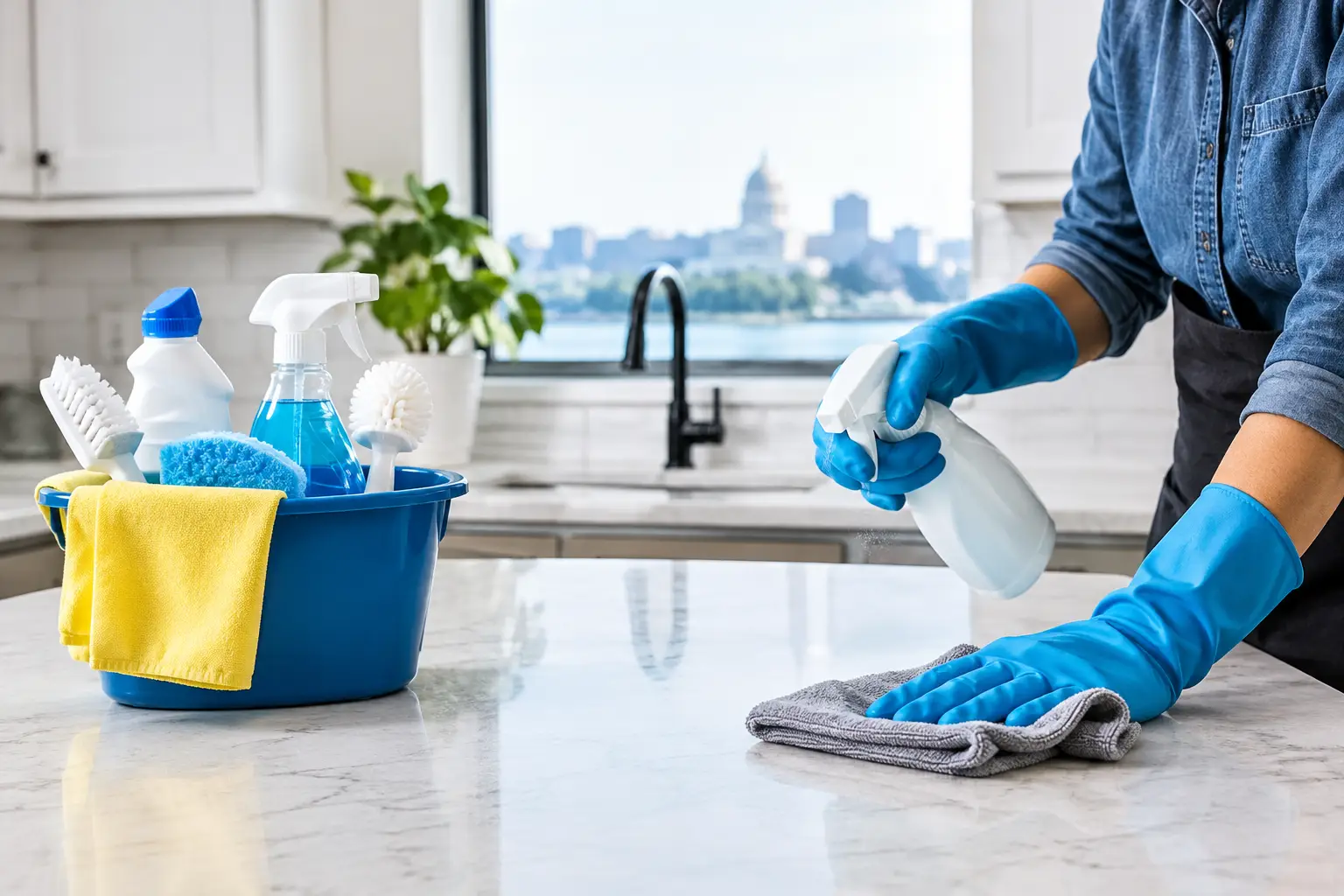
You should also disinfect after certain messes, including raw meat spills, bodily fluid cleanup, or known exposure to illness. First, clean the affected surface. Then apply a suitable disinfectant according to its label and the material’s care requirements.
Different surfaces require different products. Electronics, upholstered furniture, unfinished wood, natural stone, and food-contact surfaces all need specific care. When disinfecting food-preparation areas, follow the label carefully and rinse the surface when instructed before using it for food again.
Why Contact Time Changes the Result
One common mistake occurs when people spray a surface and wipe it dry immediately. Many disinfectants need to remain visibly wet for a specific period to work as intended. Manufacturers call this period contact time, dwell time, or wet time.
The required time varies by product and may depend on the germs you want to address. Read the label to learn where you can use the product, how much to apply, whether you need ventilation, how long the surface must stay wet, and whether you must rinse it afterward.
Applying extra product will not necessarily improve the results. Oversaturation can leave residue, create slippery floors, or damage surfaces. Instead, follow a precise process: clean first, apply the correct product, allow the required contact time, and follow all label directions.
Never mix cleaning chemicals. Combining bleach with ammonia, acids, or other cleaners can release dangerous fumes. Before switching products, rinse the surface with water when appropriate and let it dry before applying another cleaner.
A Practical Approach for Homes, Rentals, and Offices
Every space needs a routine that reflects its daily use. A quiet household with two adults has different needs than a home with young children, pets, frequent guests, or someone recovering from an illness. Likewise, a small private office requires a different plan than a busy medical-adjacent workspace, apartment common area, or customer-facing retail location.
For many homes, weekly or biweekly cleaning handles most everyday needs. Clean high-touch surfaces as needed, then add disinfection when illness, food-safety concerns, or increased exposure make it appropriate. During cold and flu season, families may also choose to disinfect shared touchpoints more frequently.
Property managers can benefit from a defined cleaning and disinfection schedule for shared spaces. Entry doors, laundry rooms, mail areas, fitness rooms, elevators, restrooms, and community tables all experience different traffic levels. A customized plan directs staff time and supplies where they matter most.
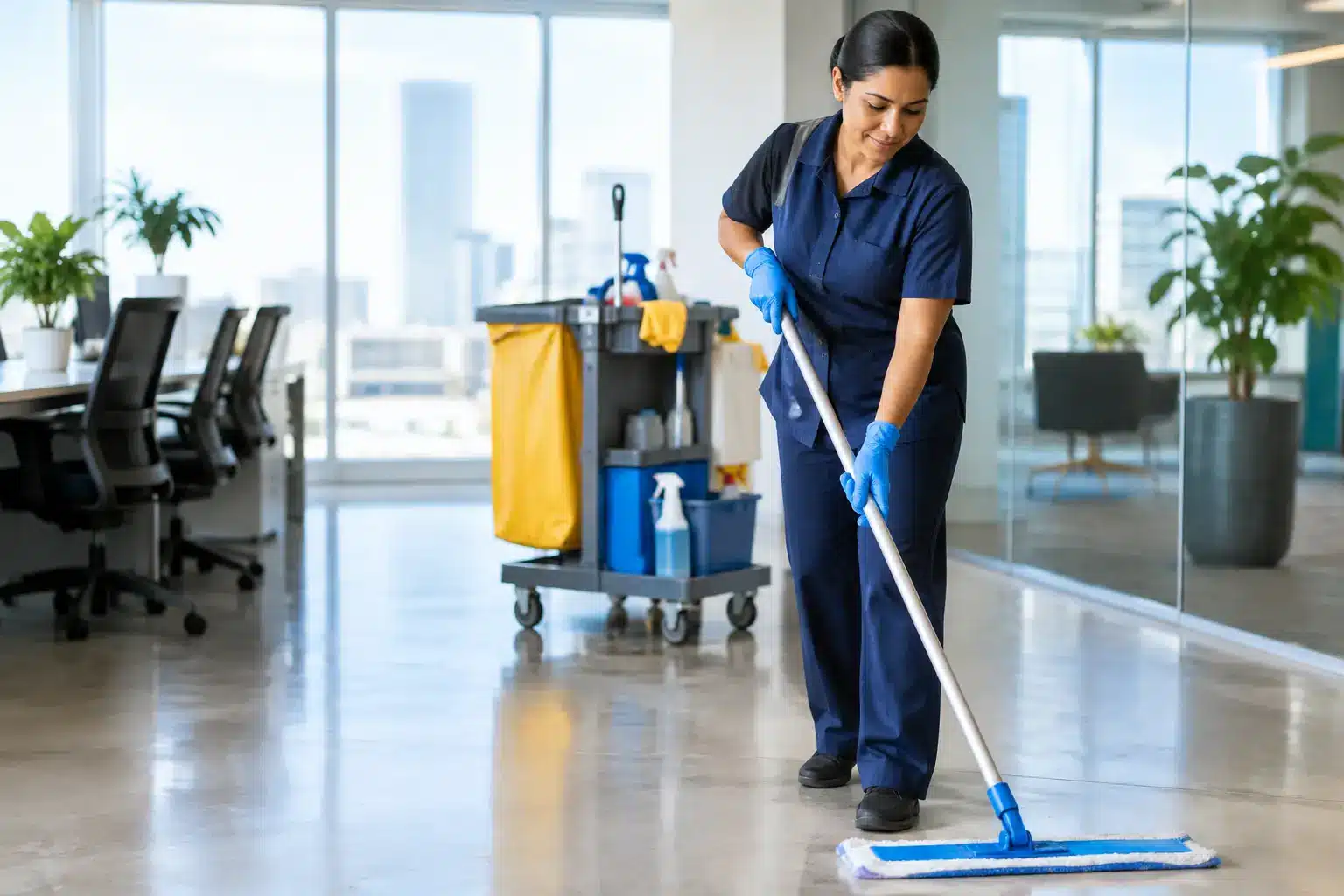
In an office, recurring janitorial service helps keep workspaces professional and ready for employees and visitors. Regular floor care, restroom cleaning, breakroom maintenance, and common-area upkeep create a polished appearance. Businesses can also include disinfection of shared high-touch surfaces in their service plans. Events, seasonal illness, and increased occupancy may require a more frequent schedule.
What Professional Cleaning Can Help You Manage
A professional cleaning team does more than tidy a room. Trained cleaners follow consistent routines, choose appropriate products for different surfaces, and build a service plan around how your home or facility operates.
For residential clients, that plan might include detailed kitchen and bathroom cleaning, floor care, dust removal, and attention to areas that busy schedules often leave untouched. Businesses and property managers may need restroom maintenance, trash removal, common-area cleaning, post-construction cleanup, and reliable supplies for daily janitorial tasks.
Trust matters as much as technique when cleaners enter your home or workplace. Class A Cleaning provides screened, insured professionals and supports them with workers’ compensation coverage, OSHA training, and ongoing safety education. These practices help customers feel confident that the team will care for their space and the people who use it.
Keep the Goal in Mind
A clean space supports comfort, appearance, and everyday peace of mind. Disinfecting adds another layer of protection when germs pose a specific concern. You can use both methods effectively without overdoing either one.
Start with a routine that keeps your home, rental, or workplace consistently clean. Then add targeted disinfection when needed, using the right product and process. If a busy schedule makes regular upkeep difficult, schedule your cleaning today and create a plan that gives your space the attention it deserves.
Content Disclaimer: This article is part of Class A’s ongoing SEO and digital marketing campaign. We make every effort to keep the information accurate and current. If you find outdated or incorrect information, please contact us so we can review and update it.