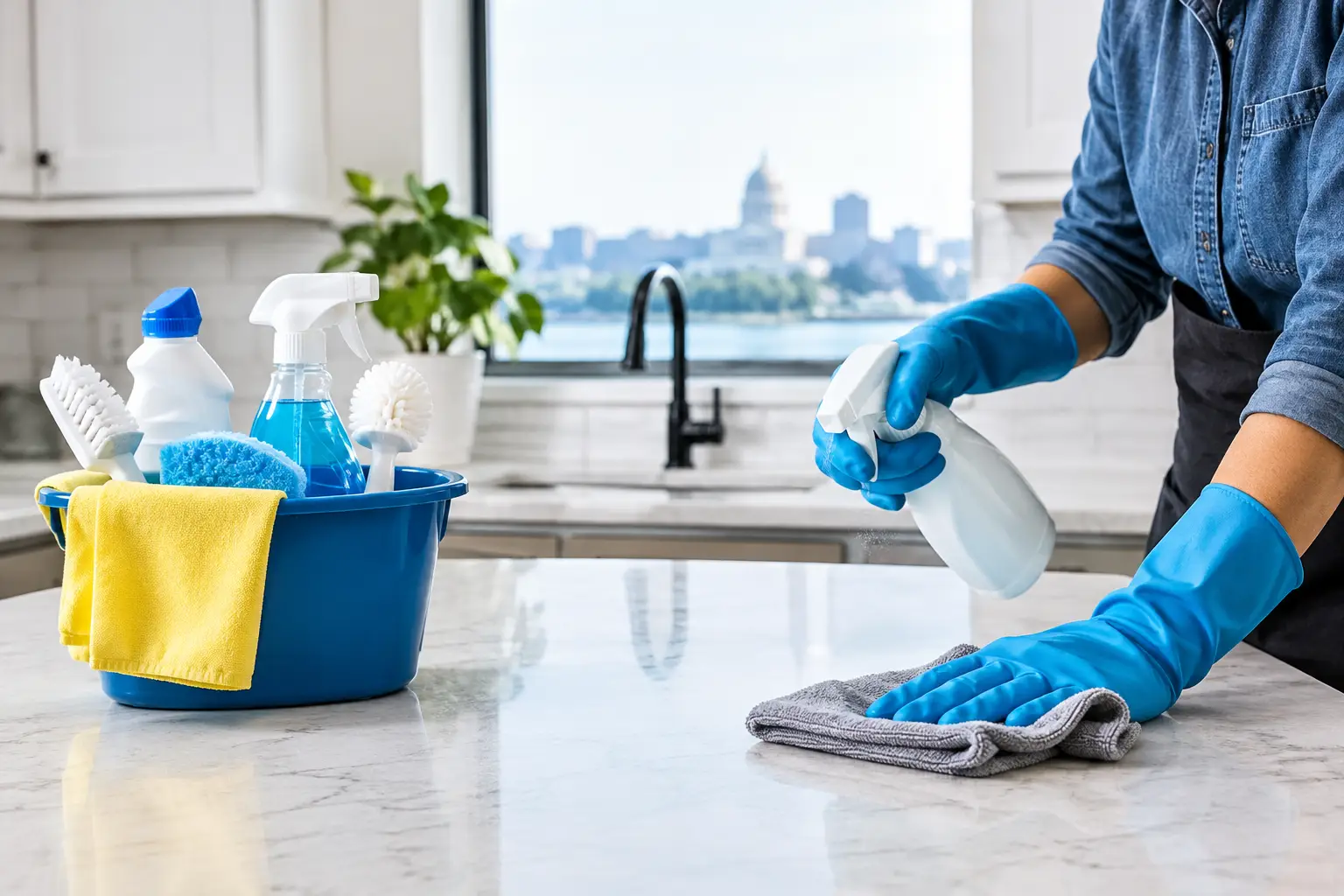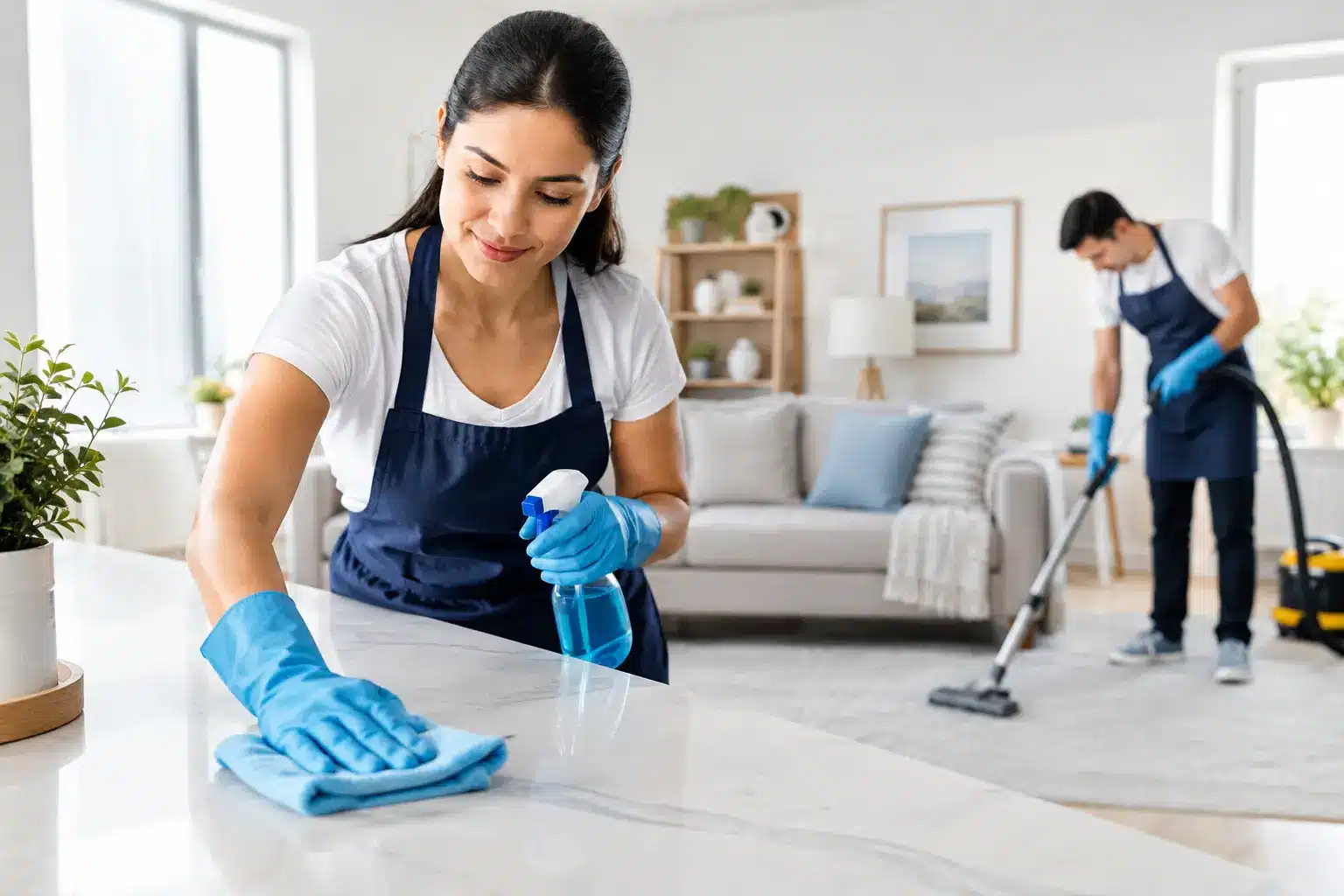
A scuffed entryway, overflowing restroom wastebasket, or dusty reception desk can shape how tenants, employees, and customers feel about a property. Commercial maintenance keeps these small issues from becoming visible problems, costly repairs, or daily disruptions.
For Madison-area offices, retail spaces, apartment communities, and shared commercial buildings, maintenance involves more than one task or vendor visit. A coordinated plan can cover cleaning, care, safety, and communication. The right plan keeps a facility prepared every day, not only before an inspection or important meeting.
What Commercial Maintenance Really Covers
Commercial maintenance can mean many things. A useful plan separates routine cleaning from building repairs and specialty work.
Janitorial service handles the conditions people see and touch. Common tasks include floors, restrooms, break rooms, common areas, trash removal, high-touch surfaces, and entry glass.
Property maintenance can also cover exterior upkeep, light fixture checks, seasonal preparation, vendor coordination, and reporting. These tasks help managers address concerns before they grow.
The exact scope depends on the building. A medical or professional office may need extra attention in restrooms, waiting areas, and high-touch spaces. A retail business may focus on floors, fitting rooms, windows, and entrances. Apartment communities often need dependable cleaning in lobbies, hallways, elevators, laundry rooms, and leasing areas.
Start with the work that matters most to your property. A focused plan protects the building’s appearance, supports occupants, and helps prevent avoidable wear.
Why Consistency Matters More Than Occasional Deep Cleaning
A one-time deep clean can make a dramatic difference. This approach works well after construction, a move, a busy season, or a period of deferred care.
However, deep cleaning cannot replace a regular commercial maintenance schedule. Dirt returns quickly in busy spaces. Soap builds up in restrooms, while fingerprints soon cover glass and doors.
Regular service protects the surfaces you already invested in. Grit and moisture can wear down flooring. Neglected spills can stain carpet or damage finishes. Dust around vents and baseboards can also make a well-managed property look neglected.
Routine care makes problems easier to spot. Cleaning staff often notice leaking dispensers, burned-out bulbs, damaged walls, or low supplies because they visit the same areas regularly.
Build a Plan Around How Your Property Is Used
No single service schedule works for every commercial space. A small office may need weekly cleaning and occasional detailed service. A busy office, fitness area, retail store, or multi-tenant property may need daily or several-times-a-week service.
Start by looking at traffic patterns. Consider how many people use the building and which rooms receive the most activity. Think about whether the public enters the space. Also consider when messes usually occur.
Restrooms and break rooms often need more attention than private offices. Entryways may need extra service during Wisconsin winters. Salt, slush, and moisture can quickly create dirty and slippery floors.
Your business hours matter as well. Some companies prefer cleaning after closing to avoid interruptions. Others need daytime porter support for restrooms, trash, spills, and quick touchups.
Define the schedule and responsibilities clearly. The phrase “clean as needed” can create confusion unless everyone agrees on what it means.
Make the Scope Specific
A strong commercial maintenance agreement should identify the service areas, frequency, and expected results. Instead of simply requesting office cleaning, list the actual tasks.
For example, your plan might include:
- Vacuuming under desks
- Cleaning interior glass
- Disinfecting high-touch surfaces
- Removing workstation trash
- Restocking restroom supplies
- Cleaning floors and common areas
Specific details reduce confusion. They also make future changes easier when your team grows, a tenant moves out, or seasonal conditions shift.
Protect Health Without Creating New Concerns
Cleaning products matter in workplaces, shared buildings, and tenant spaces. Strong fragrances or harsh chemicals can make some people uncomfortable. Certain products may also work poorly in facilities used by children, pets, or frequent visitors.
Green cleaning can support a healthier approach to commercial maintenance. However, the process matters as much as the product label.
Non-toxic, animal-testing-free products can help reduce concerns about residue and odors. Still, the right product depends on the surface and task. Desk cleaning differs from restroom disinfection. Post-construction cleanup also requires a different approach from routine office care.
Ask how the cleaning company selects, stores, and uses its products. A professional provider should explain its methods in plain language. The company should also adapt to reasonable facility requirements.
Proper labeling and safe handling matter, too. Staff education helps workers use products correctly and consistently.
Choose a Partner You Can Trust in Your Building
Commercial properties often require access to keys, alarms, tenant areas, and employee spaces. Price matters, but it should not drive the entire decision.
A low quote can become expensive when service remains inconsistent. Poor communication can create problems as well. Choose a provider that carries insurance and workers’ compensation coverage. Look for a company that screens employees and invests in OSHA training and safety education.
These steps show that a company takes its responsibilities seriously. They also give property owners and managers greater confidence when workers enter active facilities.
Responsiveness matters just as much. A restroom problem may appear before a client visit. A tenant may also report an issue in a common area.
You need a clear way to request help. A dependable provider documents special instructions and follows through. The company should also explain when an issue falls outside the normal service scope.
Class A Cleaning creates customized plans for local commercial properties. Its trained teams offer green cleaning options and follow the company’s promise: “We Don’t Cut Corners, We Clean Them.”
Plan for Madison’s Seasonal Demands
Commercial maintenance in Madison must account for changing weather. Winter can bring salt residue, wet entry mats, slippery floors, and extra debris. These conditions can quickly affect lobbies and hallways.
Waiting until spring can leave floors looking worn. It can also increase slip risks near entrances.
During winter, give extra attention to entryways, mats, hard-surface floors, and wet-floor response. Warmer months bring different concerns. Pollen, landscaping debris, and construction dust may collect around doors, windows, and common areas.
Seasonal adjustments do not always require a new contract. Often, you can shift priorities or add targeted services when conditions change.
Property managers should also schedule periodic detailed work. Consider carpet care and floor maintenance, high dusting, interior window cleaning, or post-construction cleanup. These services help refresh the space before buildup becomes noticeable.
Measure Results by More Than a Quick Walk-Through
A clean facility should look good. However, strong maintenance programs can do more. They can reduce complaints, make supply needs easier to predict, and save managers time.
Ask occupants and staff what they notice. Are restrooms consistently stocked? Do floors look presentable at opening time? Does the team handle trash and recycling correctly? Do common areas stay clean between visits?
Periodic walk-throughs with your cleaning provider can help. Schedule one after the first month or whenever building use changes. Use the visit to refine the service plan instead of waiting for problems to grow.
Reliable commercial maintenance may not seem glamorous, but people notice the results. A clean, prepared facility creates a better experience for employees, tenants, customers, and visitors.
Give your property a plan that matches how people use it. Choose professionals who respect the space. Then schedule service before small maintenance concerns become larger distractions.
Content Disclaimer: This article is part of Class A’s ongoing SEO and digital marketing campaign. We make every effort to keep the information accurate and current. If you find outdated or incorrect information, please contact us so we can review and update it.