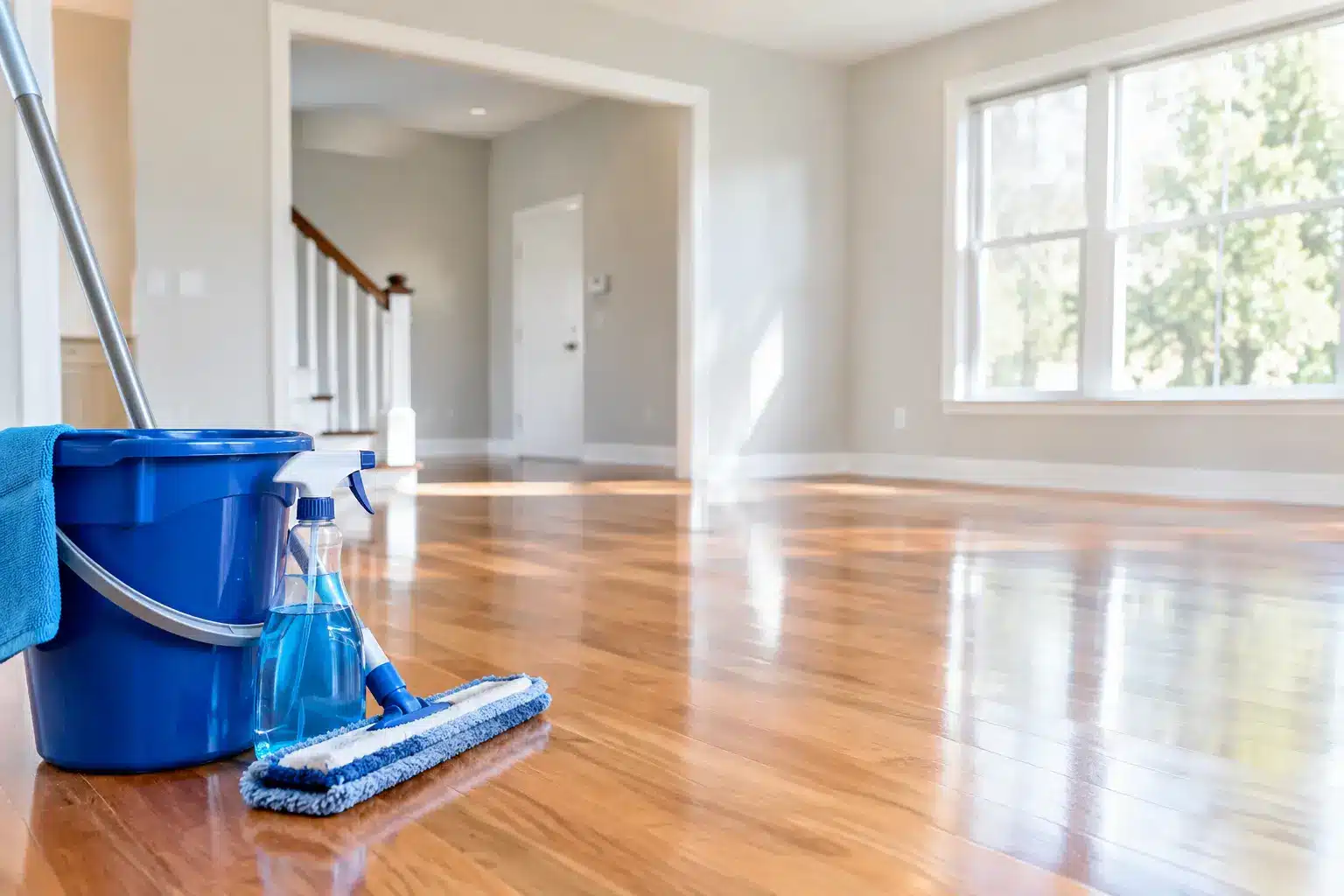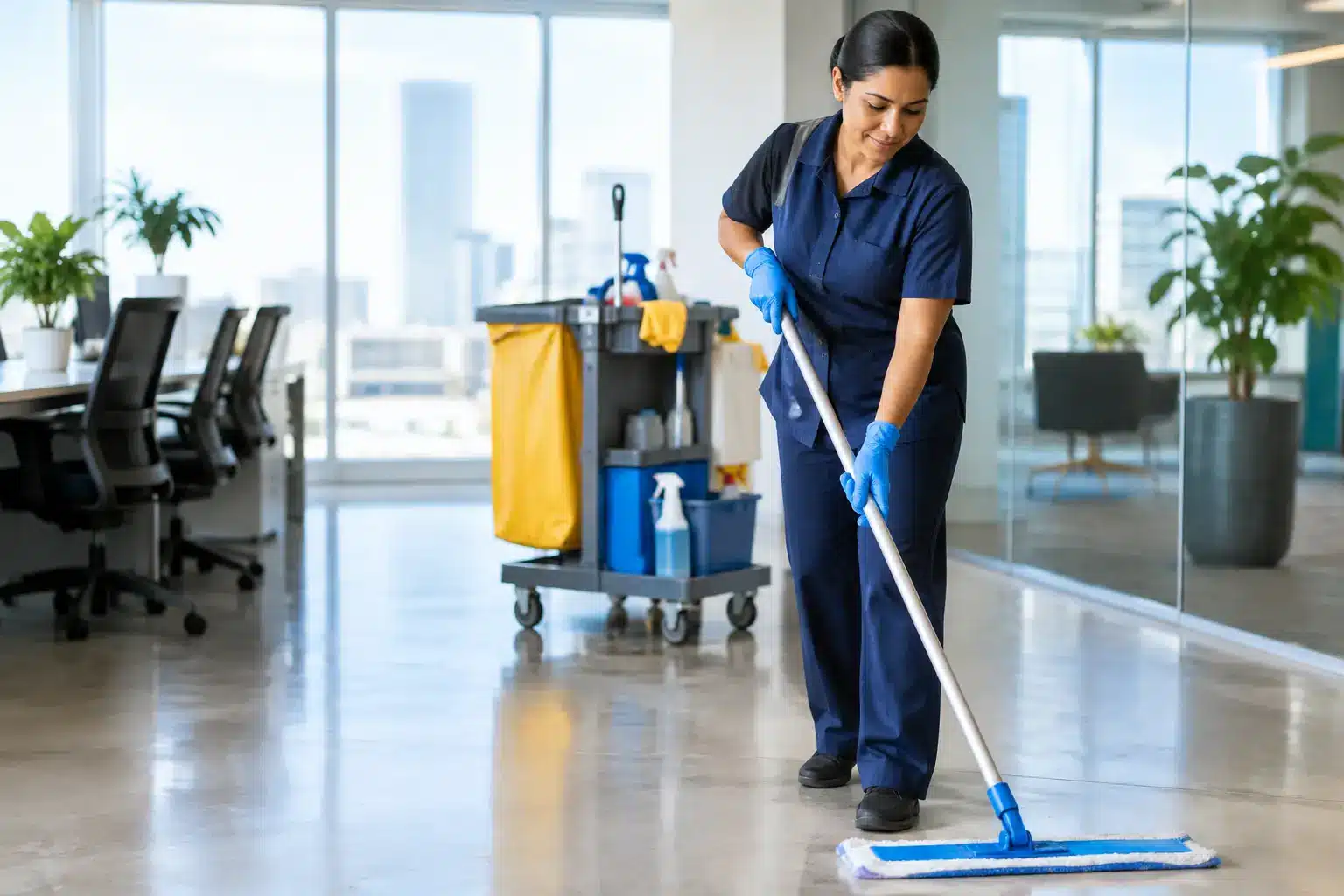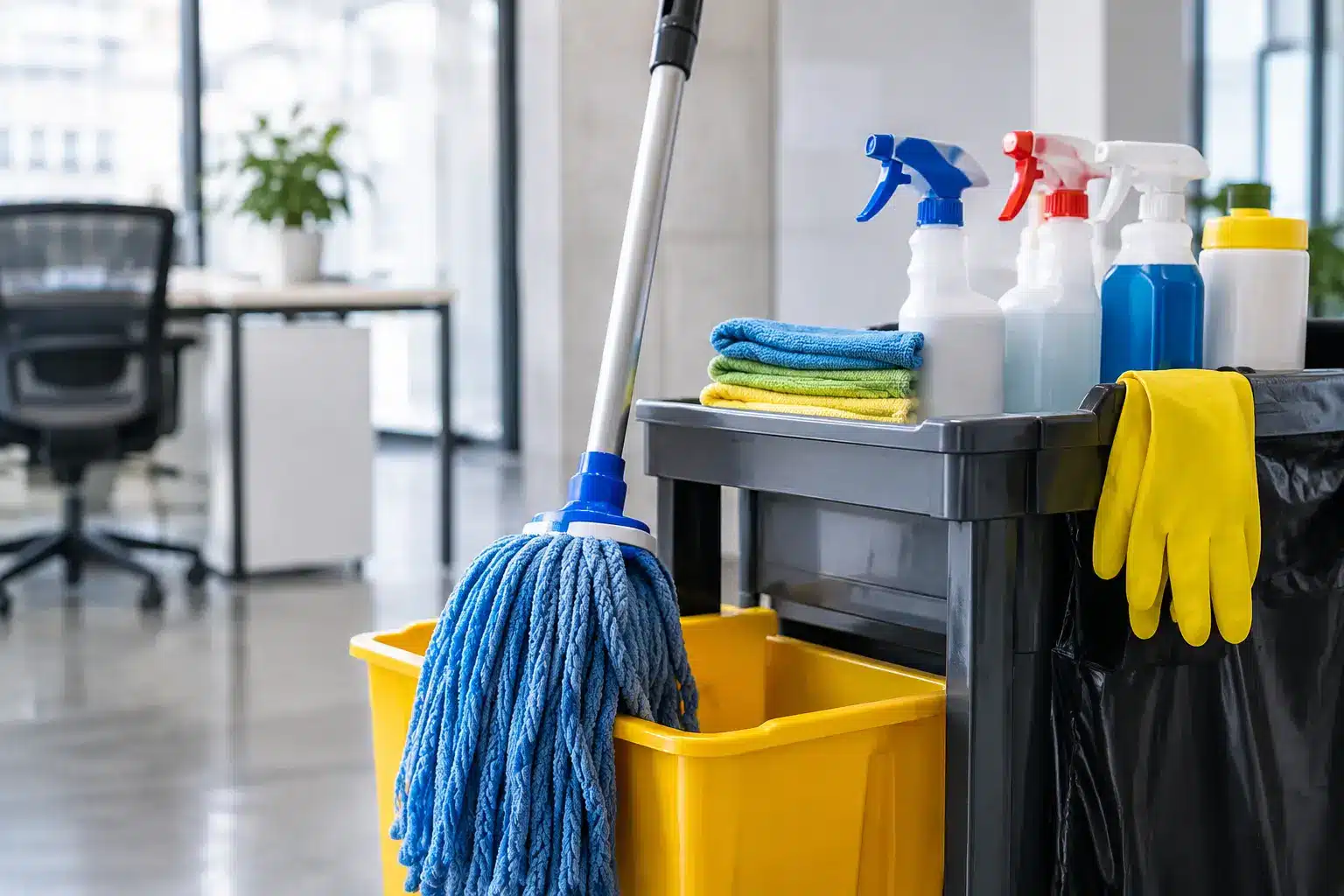
A floor can make a strong first impression before a visitor reaches the front desk. It can also create a safety concern, hold winter salt at every entrance, or make an otherwise well-managed property look neglected. This commercial floor maintenance guide helps Madison-area property managers and business operators create a practical plan for cleaner, safer floors without using a one-size-fits-all routine.
Floor care is not simply a matter of mopping more often. The right schedule depends on the material, foot traffic, weather exposure, building use, and the people who use the space. A medical office, busy retail store, apartment lobby, and professional office may all need different methods, even when they have the same type of flooring.
Start With the Floor, Not the Cleaning Product
Commercial flooring performs best when its maintenance plan matches its finish and condition. Using the wrong tool, chemical, or amount of water can leave residue, dull a surface, damage protective coatings, or create slip hazards.
Hard surfaces such as vinyl composition tile, luxury vinyl tile, ceramic tile, sealed concrete, and terrazzo generally need frequent dry soil removal followed by damp mopping with a product made for that surface. Excess water is especially risky around seams, edges, and baseboards. It can work beneath flooring, affect adhesive, and encourage odors or damage that is much harder to correct later.
Carpet needs a different approach. Vacuuming is the daily foundation because dry grit cuts into carpet fibers as people walk over it. Spot treatment should happen promptly, while periodic deep extraction removes embedded soil that routine vacuuming cannot reach. The right frequency depends on use: a low-traffic office may need extraction a few times each year, while an entry corridor or shared lobby may need attention much more often.
Natural stone, wood, and specialty finishes call for added caution. Acidic products can etch stone, overly wet mops can harm wood, and abrasive pads can scratch surfaces that require a gentler touch. When the floor material or existing finish is uncertain, test a small inconspicuous area or ask a qualified cleaning professional before expanding the process.
Build a Commercial Floor Maintenance Schedule
The most effective plans separate everyday upkeep from periodic restorative work. Daily service prevents soil from building up. Weekly and monthly tasks address the details that gradually affect appearance, sanitation, and longevity. Seasonal work prepares the building for the conditions Madison businesses know well.
Daily: Control Grit, Moisture, and Immediate Spills
Entrances, hallways, break rooms, restrooms, elevators, and shared work areas should receive the most attention. Sweep, dust mop, or vacuum as appropriate before damp mopping. Removing dry debris first prevents it from becoming muddy residue under a mop.
Spills should be addressed as soon as possible, particularly in dining areas, restrooms, and entryways. Put out wet-floor signs while the surface is being cleaned and until it is dry. This simple step protects visitors and staff while supporting a safer property.
Entry mats deserve daily care, too. Vacuuming or shaking out mats is not a minor task – it is one of the best ways to keep salt, sand, leaves, and moisture from spreading through the building. A mat that is saturated, curled, or worn out cannot do its job well.
Weekly: Clean Edges and High-Contact Areas
A weekly floor routine can include more detailed mopping, vacuuming beneath movable furniture, cleaning corners and edges, and checking for stains, scuffs, loose transitions, or damaged grout. These are the details that tenants, clients, and prospective customers notice even when they cannot explain why a space feels unclean.
For hard floors, use clean mop heads and properly diluted solution. Dirty water simply redistributes soil. For carpet, treat visible spots and vacuum thoroughly in more than one direction in high-traffic zones to lift embedded debris.
Monthly and Quarterly: Restore the Finish
Periodic maintenance preserves the floor’s protective layer and helps avoid costly replacement. Depending on the material, this may include machine scrubbing, burnishing, carpet extraction, grout cleaning, or applying a compatible finish or sealant.
The correct interval depends on traffic. A quiet professional suite may need restorative floor care quarterly or less often. A retail entrance, multifamily lobby, fitness area, or heavily used corridor may need monthly service. More frequent treatment is not always better, though. Overusing finish can lead to buildup, while aggressive scrubbing can wear away protection. The goal is to maintain a clean, even surface before it reaches the point of visible decline.
Plan for Wisconsin Weather
In the Madison area, floor maintenance changes with the season. Winter is often the most demanding period because salt, slush, and fine sand travel quickly from entrances into halls and offices. These materials can scratch hard-surface floors, leave white residue, stain carpet, and create slippery conditions.
During winter, increase entrance mat coverage and inspect it throughout the day. Clean hard floors more frequently near doors, and keep a clear response plan for wet-weather conditions. Place caution signs where needed, but do not rely on signs alone. Prompt removal of moisture is what reduces risk.
Spring brings mud and moisture, while fall adds leaves and grit. Summer may mean less salt but more dust, pollen, landscaping debris, and heavier foot traffic around events or move-ins. A flexible plan accounts for these changes instead of following the same calendar every month.
Choose Products With People and Surfaces in Mind
Cleaning products should work effectively without creating unnecessary concerns for employees, customers, residents, children, or pets. Low-odor, non-toxic options can be a strong fit for many commercial environments, especially offices, shared residential spaces, and facilities where people are present during service.
Green cleaning does not mean using the same product on every surface. A responsible program still considers dwell times, dilution instructions, disinfecting needs, compatibility with flooring, and proper labeling. In restrooms, kitchens, and other areas with specific sanitation requirements, use the correct product and process for the task.
Avoid mixing chemicals or using more solution than recommended. More product can leave a sticky film that attracts soil and makes floors look dull faster. It also creates unnecessary cost. Store products securely, keep Safety Data Sheets accessible, and make sure the staff responsible for floor care understands the manufacturer’s directions.
Protect Safety, Equipment, and Your Cleaning Team
Good floor maintenance supports a safer workplace for everyone. Staff should know how to use wet-floor signs, recognize slip and trip hazards, handle equipment correctly, and report damaged flooring promptly. Loose carpet edges, cracked tiles, worn mats, uneven transitions, and peeling finish should not wait until the next scheduled deep clean.
Equipment matters as much as technique. Vacuum filters need regular attention, mop heads must be laundered and replaced, and auto scrubbers should be maintained so they recover water effectively. An improperly maintained machine can leave excess moisture behind and create more work for the next shift.
If an outside cleaning provider handles your floors, ask direct questions about training, insurance, workers’ compensation coverage, safety practices, and the products used in your facility. A lower price can be appealing, but it may not include the supervision, equipment, or trained staff required for consistent results. A detailed scope of work makes expectations clear and helps prevent missed tasks.
Know When Routine Cleaning Is Not Enough
There is a point where routine mopping and vacuuming can no longer restore the appearance of a floor. Dull traffic lanes, persistent odors, dark grout, recurring stains, heavy salt residue, sticky surfaces, and worn finish are signs that deeper service may be needed.
Addressing these concerns early is usually more cost-effective than waiting for visible damage. For example, carpet extraction can remove soil before it becomes permanently embedded, and periodic floor finish maintenance can extend the useful life of resilient flooring. On the other hand, a floor that has been damaged by moisture, improper chemicals, or years of abrasion may need repair or replacement rather than another cleaning treatment.
A walk-through with your cleaning provider is a useful starting point. Review the flooring materials, busiest areas, current concerns, building hours, and any requirements for low-odor products or service around tenants. The result should be a customized schedule, not a generic checklist.
A well-kept floor tells people that the rest of the property receives the same care. Class A Cleaning can help local businesses create a cleaning plan that respects their space, schedule, and safety priorities. Contact us today to discuss commercial floor care that keeps your facility ready for the next person through the door.
Content Disclaimer: This article is part of Class A’s ongoing SEO and digital marketing campaign. We make every effort to keep the information accurate and current. If you find outdated or incorrect information, please contact us so we can review and update it.