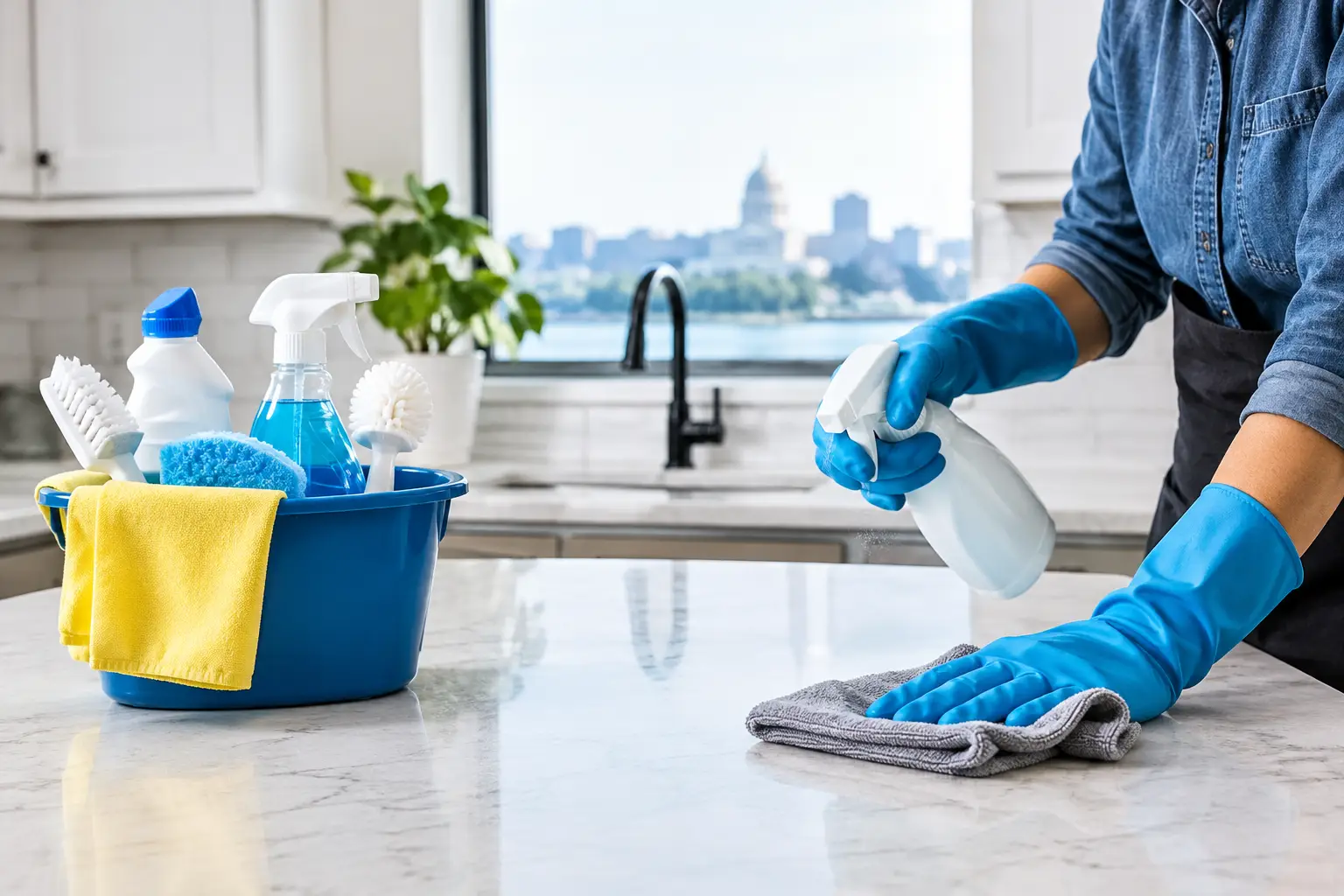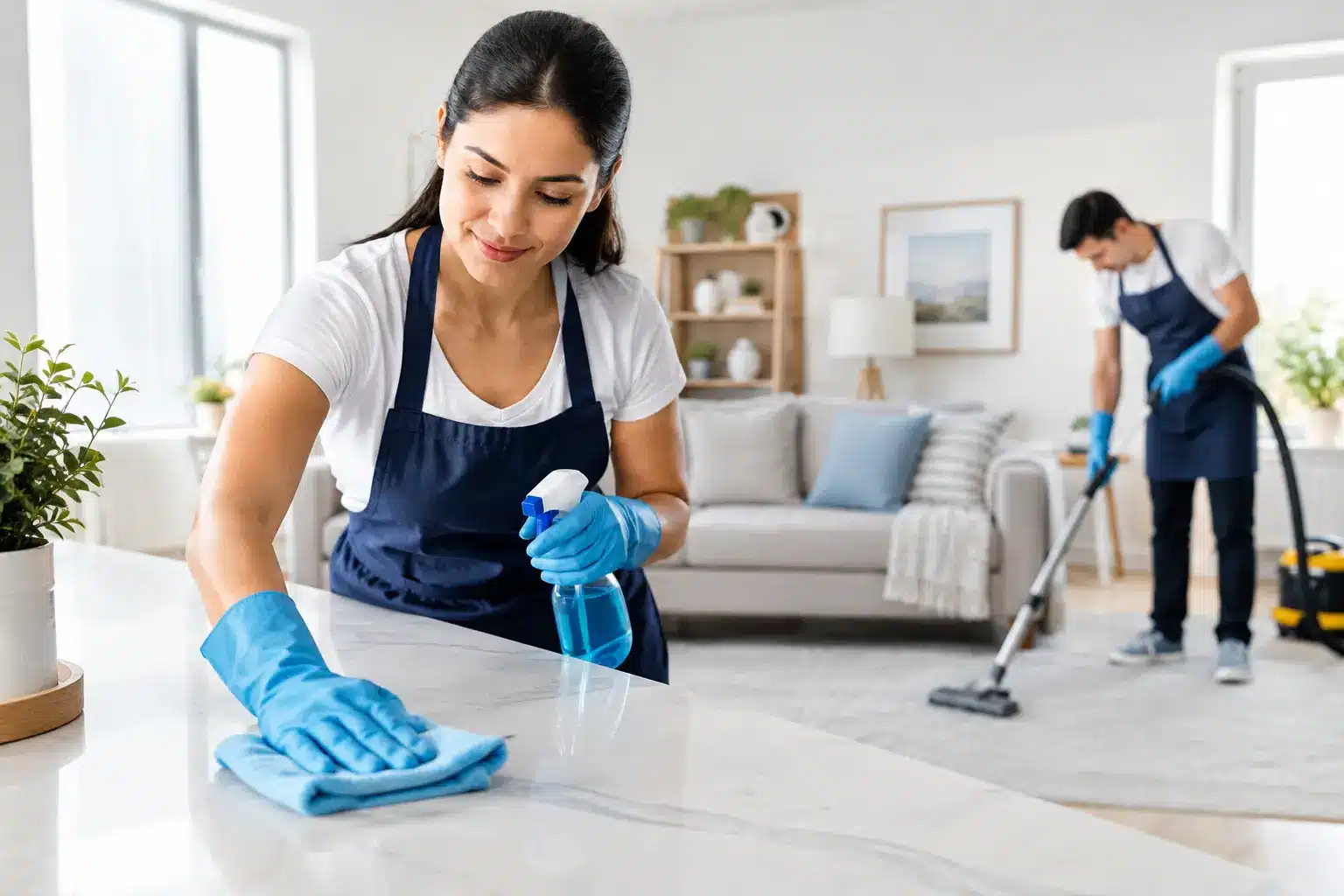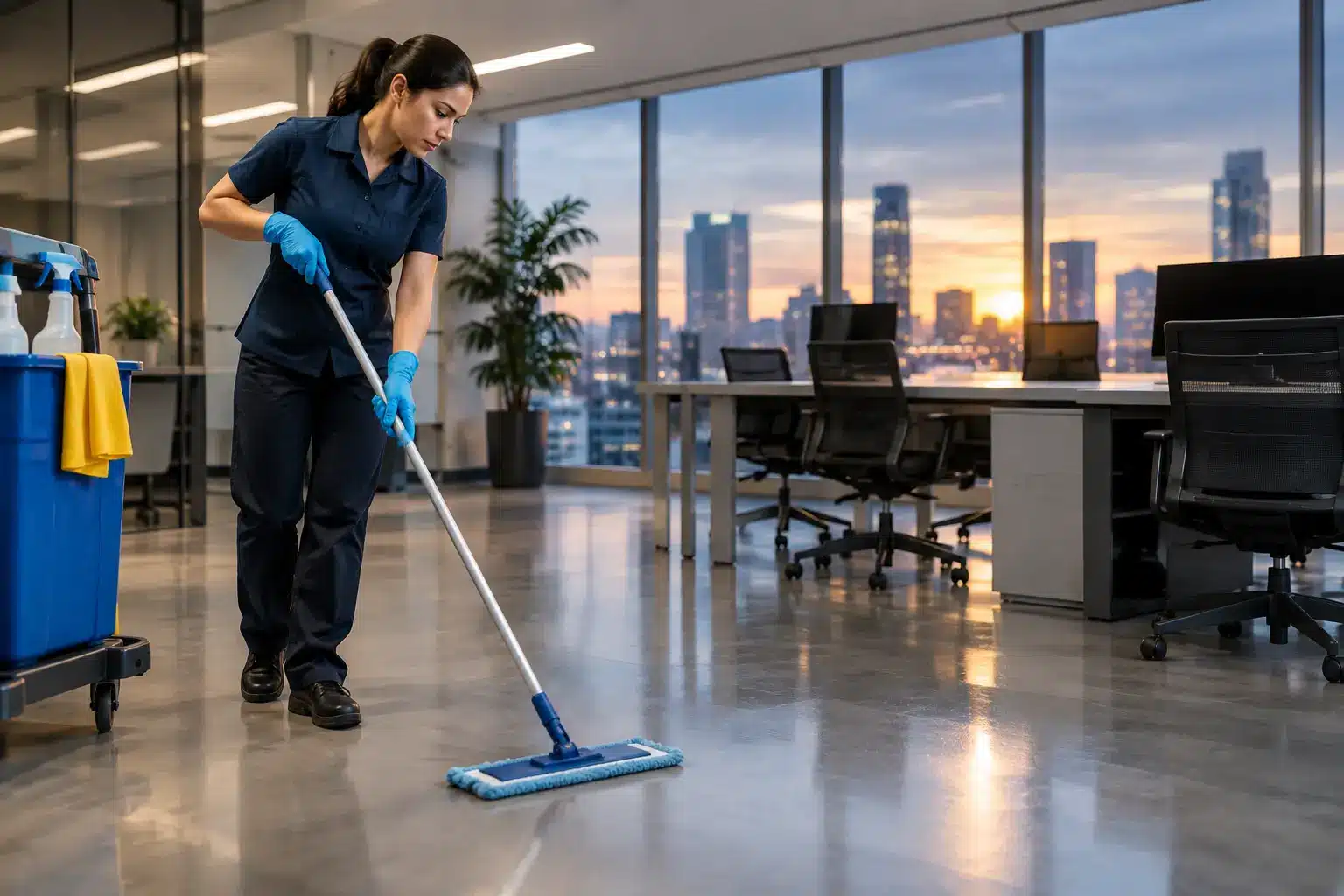
The last employee has signed out. Customers have gone home. Tomorrow’s work is already waiting. That is when commercial cleaning after business hours can make the biggest difference. A professional team can clean floors, restrooms, touchpoints, trash areas, and shared spaces without working around meetings, shoppers, deliveries, or front-desk traffic.
For Madison-area businesses, evening or overnight cleaning offers more than convenience. It helps protect the experience people have when they arrive the next morning. A clean workspace shows care, supports employee comfort, and gives customers and visitors confidence.
Why After-Hours Cleaning Is a Practical Choice
Cleaning during operating hours may make sense for some facilities. Retail spaces, medical waiting rooms, apartment common areas, and busy properties may need daytime service. However, cleaning can also create interruptions.
Vacuum cords may cross walkways. Restroom cleaning can limit access. A cleaning crew in a conference room may interrupt meetings or appointments.
After-hours service gives cleaners more room to work carefully. They can clean floors without navigating around active work areas. Restrooms can receive full attention without inconveniencing employees or guests. Crews can also remove trash and recycling without competing with daily operations.
This schedule works well for offices, professional suites, retail stores, property management offices, schools, and fitness spaces. It can also help businesses with flexible or hybrid schedules. Cleaning plans can follow the days when the office sees the most activity.
A Cleaner Opening Experience for Staff and Visitors
The first few minutes of a workday can set the tone. Employees notice overflowing bins, fingerprints on glass doors, and dusty reception furniture. They also notice restrooms that need attention. Clients, tenants, and prospective customers notice these details too.
An after-hours cleaning plan helps prepare the building for the next day. Staff can walk into orderly common areas, refreshed restrooms, and clean floors. Essential supplies can also receive attention before the workday begins.
A clean environment removes visual distractions. Employees can focus on their work instead of noticing what needs cleaning.
There is also a practical safety benefit. Spills, tracked-in salt, wet entryways, and cluttered walkways can create avoidable hazards. This matters during Wisconsin’s snowy and wet months. Regular floor care and careful attention to entrances can help maintain a safer environment.
What a Commercial Cleaning Visit Can Include
The right cleaning scope depends on your building, traffic level, and daily activities. A quiet professional office may need weekly detail cleaning. A busy retail location may need service several times each week.
A customized after-hours visit can include:
- Dusting accessible surfaces
- Emptying trash and recycling
- Vacuuming carpets
- Mopping hard floors
- Cleaning and sanitizing restrooms
- Wiping high-touch areas
- Tidying break rooms
- Cleaning entry glass
- Maintaining reception areas
- Cleaning conference rooms, elevators, and stairwells
Businesses can also add periodic deep-cleaning tasks. These may include baseboard cleaning, interior window cleaning, detailed floor care, high-dusting, upholstery cleaning, or post-event cleanup.
These tasks do not need to happen every night. Scheduling them monthly, quarterly, or as needed can keep a facility looking well maintained. This approach also prevents routine service plans from becoming unnecessarily complicated.
Cleaning Frequency Should Follow Real Traffic
More frequent cleaning does not always provide better results. A small office with limited in-person staff may only need weekly service. A busy retail space or large shared workplace may need several visits each week.
The goal is to match the cleaning plan to the building’s actual use.
Consider how many people use the restrooms each day. Think about how often clients visit. Look at how quickly floors show dirt. Also consider whether employees prepare or eat food on site.
Seasonal conditions matter too. Madison winters can bring more salt, moisture, and debris into entryways. Those conditions may require more frequent floor care.
Security and Trust Matter After Closing
Giving a cleaning company access to your business requires trust. Price and task lists matter, but they should not be the only considerations. Business owners and property managers should know who enters the building and how the company prepares its staff.
A dependable provider should carry proper insurance and workers’ compensation coverage. The company should also screen employees and provide workplace safety training. OSHA training and ongoing safety education can help teams work safely around commercial equipment, floor surfaces, waste, and building-specific procedures.
Before service begins, clarify access instructions and alarm procedures. Identify restricted areas and provide an emergency contact. A clear plan protects your property and helps the cleaning team work confidently.
It can also prevent small misunderstandings. A locked supply closet or unexpected alarm notification should not disrupt the entire cleaning visit.
Green Cleaning Can Support a Healthier Workplace
After-hours cleaning means employees may arrive only a few hours after the crew finishes. That makes product selection important. Strong chemical odors can linger in enclosed offices. Harsh products may also conflict with a company’s wellness or environmental goals.
Green cleaning products can provide an effective alternative when teams select and use them correctly. Non-toxic, animal-testing-free products can support a more comfortable environment for employees, visitors, and cleaning professionals.
They can also suit businesses where pets occasionally visit. Pet-friendly offices and residential leasing spaces may benefit from thoughtful product choices.
Green cleaning does not mean less thorough cleaning. The key involves choosing the right products, dwell times, tools, and procedures for each task. A professional team should understand the difference between cleaning, sanitizing, and disinfecting. From there, they can choose the right approach for each space.
How to Build an After-Hours Cleaning Plan
Start with a walkthrough or consultation. Use this time to identify your facility’s priorities. Focus on customer-facing areas, high-use restrooms, break rooms, entrances, conference spaces, and areas that need special care.
Be direct about what staff and visitors notice most. Those details can help shape a more useful cleaning plan.
Next, establish the service schedule and task list. Daily cleaning may focus on restrooms, floors, trash, and touchpoints. Weekly visits can include broader dusting, break room detail, and more complete floor care.
Schedule less frequent deep-cleaning tasks separately. This keeps them from getting lost in the routine service schedule.
Communication should remain simple after service begins. A reliable commercial cleaning partner should respond when your schedule changes. They should also help when an event creates extra cleanup needs or a particular area needs more attention.
Class A Cleaning works with Madison-area businesses to create customized plans. Each plan can fit the building, schedule, and people who use the space.
The Right Schedule Protects Your Workday
After-hours cleaning does not suit every business. A 24-hour operation, active healthcare setting, or property with constant foot traffic may need daytime porters or cleaning staff. In some cases, a blended approach works well.
Daytime staff can handle immediate needs. Cleaning crews can complete detailed work after closing.
For businesses with quiet evenings, after-hours service creates valuable separation between cleaning and daily operations. Your team can focus during the day. Customers can move through a polished space. Cleaners can work without navigating constant activity.
A well-cared-for facility should feel ready before the first light turns on, the first customer walks in, or the first meeting begins. Schedule your cleaning today and give tomorrow’s workday a cleaner start.
Content Disclaimer: This article is part of Class A’s ongoing SEO and digital marketing campaign. We make every effort to keep the information accurate and current. If you find outdated or incorrect information, please contact us so we can review and update it.