A clean workplace should not come with unclear expectations. When comparing cleaning proposals, one of the most common questions is, “Are janitorial supplies included?” The answer depends on the service agreement, the type of supplies in question, and how your building operates day to day. A detailed scope of work makes the difference between a predictable cleaning program and an invoice full of surprises.
For Madison-area offices, retail spaces, apartment communities, and commercial properties, the best approach is to clarify supplies before service begins. That gives your team confidence that restrooms stay stocked, cleaning standards stay consistent, and everyone knows who is responsible for what.
Are Janitorial Supplies Included With Cleaning Service?
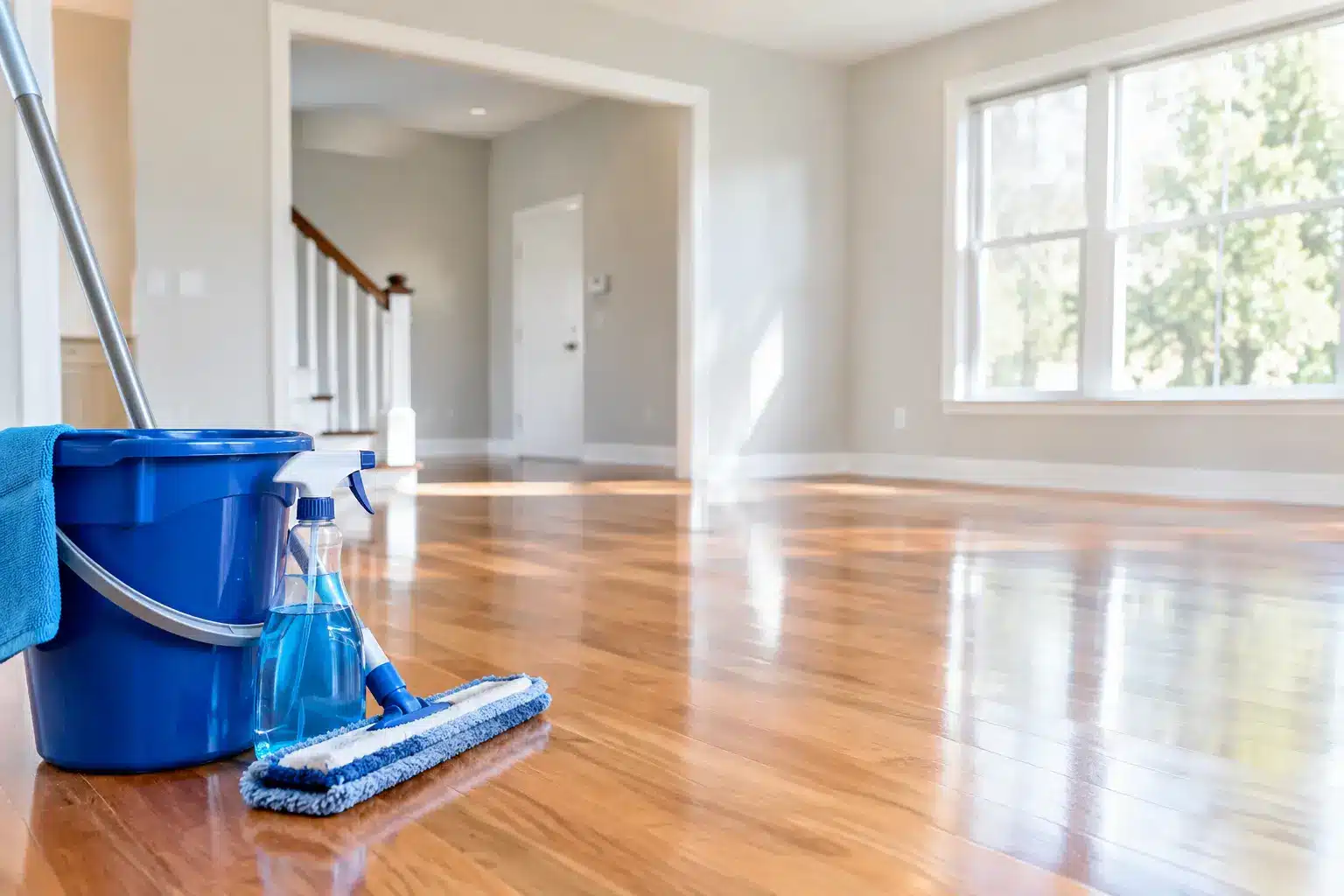
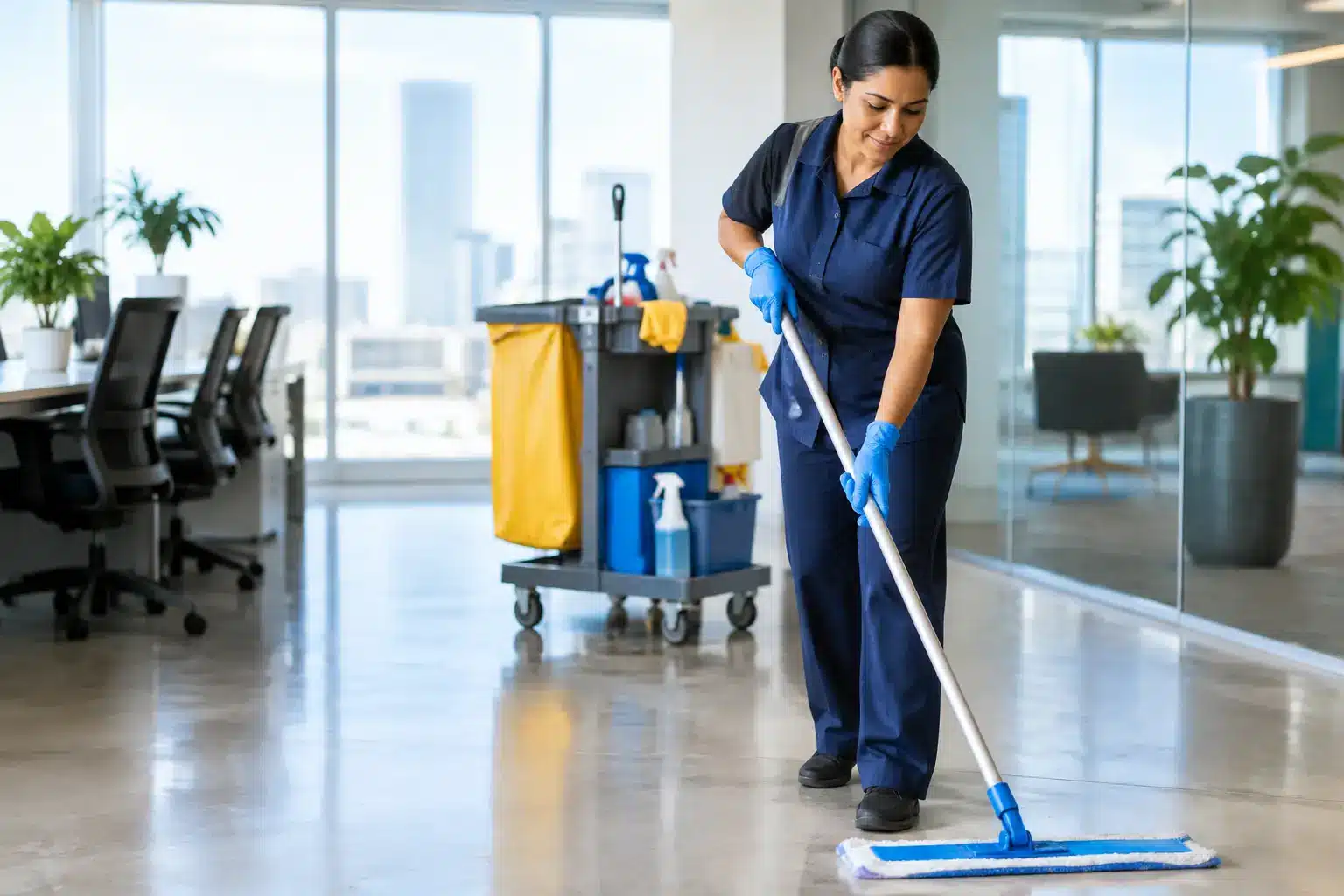
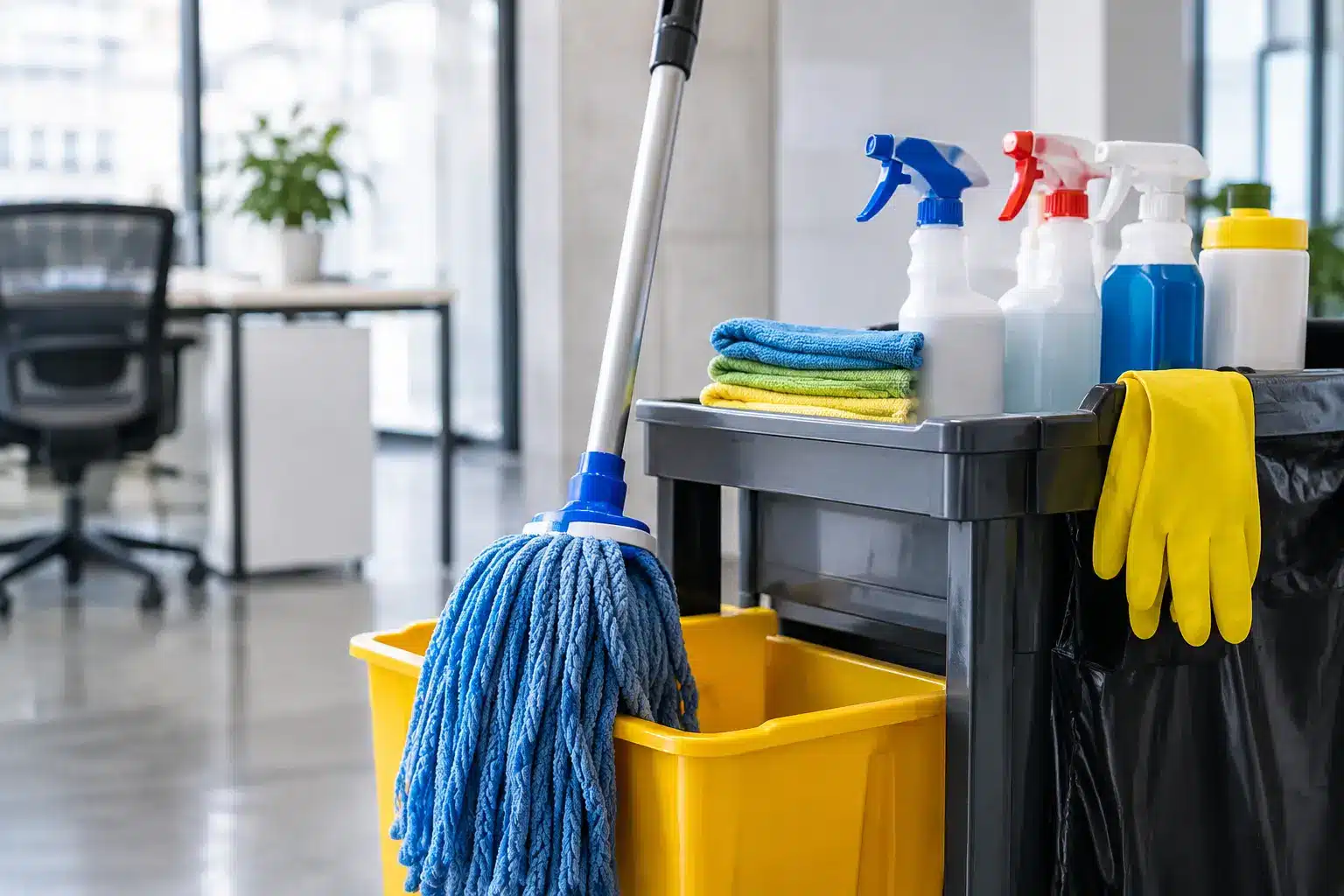
Often, yes – but not always in the same way. Professional cleaning companies typically bring the equipment and cleaning solutions needed to perform their work. This may include vacuums, mops, microfiber cloths, disinfectants, glass cleaner, floor-care products, and other materials used by the cleaning team.
However, many people use the phrase “janitorial supplies” to mean restroom and break-room consumables. Those are the products employees, residents, customers, or visitors use up during the week: toilet paper, paper towels, hand soap, trash can liners, tissues, and sometimes items such as air freshener or feminine hygiene products.
A cleaning company may include these consumables, provide them for an additional charge, restock supplies your business purchases, or leave supply management entirely to your team. None of these arrangements is automatically better than the others. The right option depends on your priorities, building size, storage space, budget, and the level of hands-on coordination you want.
The Difference Between Cleaning Products and Consumable Supplies
This distinction is worth making early because it prevents misunderstandings later.
Cleaning products and equipment
These are the materials needed to complete janitorial tasks. A professional team generally supplies what it needs to dust surfaces, disinfect restrooms, clean glass, vacuum carpet, mop hard floors, and remove trash. If your service includes green cleaning, ask what products are being used and whether they are appropriate for people with children, pets, allergies, or sensitivities.
Class A Cleaning uses an in-house green cleaning program with non-toxic, animal-testing-free products. For many workplaces and shared residential properties, that means a cleaner environment without introducing harsh products into frequently used spaces.
Consumable restroom and facility supplies
These are the items that must be replenished as people use them. A standard supply list may include toilet tissue, paper towels, hand soap, hand sanitizer, trash liners, tissues, and sanitary receptacle liners. Depending on the property, it may also include coffee supplies, dish soap, sponges, or cleaning wipes for employee-use areas.
Because usage can vary widely, consumables are usually handled separately from the basic cleaning rate. A quiet professional office may use very little paper product. A busy medical-adjacent office, fitness studio, retail store, or apartment common area may go through supplies quickly. Bundling both situations into the same flat amount would not be especially fair or accurate.
Common Ways Janitorial Supply Programs Work
A clear service plan usually follows one of three models. Your cleaning provider can help you decide which makes sense for your property.
The first model is client-provided supplies. Your business orders paper goods and soap directly, keeps them in a designated storage area, and the cleaning team refills dispensers during service. This option gives you control over product brands, purchasing accounts, and inventory decisions. It can work well for organizations with established vendors or corporate purchasing requirements.
The second is cleaner-managed supply ordering. The janitorial provider monitors basic inventory, orders agreed-upon products, and includes the cost in a separate supply line item or monthly invoice. This reduces administrative work for office managers and property teams. It can be particularly helpful when several restrooms, floors, or common areas need regular attention.
The third is a hybrid arrangement. The client supplies certain branded or specialty products, while the cleaning provider handles common essentials such as liners, soap, paper towels, and toilet paper. For example, a business may want a particular fragrance-free soap or recycled paper product while still relying on the janitorial team to track and replenish it.
What matters most is that the agreement explains the arrangement in plain language. Ask whether products are included in the service price, billed at cost, marked up, or charged through a set monthly supply allowance.
What to Ask Before Signing a Cleaning Agreement
You do not need to become a facilities expert to ask the right questions. A thoughtful consultation should make the answers easy to understand.
Start by asking what the cleaning crew brings to each visit. Confirm whether vacuums, mop systems, disinfectants, restroom cleaners, and floor-care products are included. If your building has specialty surfaces, such as natural stone, high-gloss flooring, wood finishes, or sensitive equipment areas, ask how those surfaces will be handled.
Then ask which consumables are included, if any. Be specific about toilet paper, paper towels, hand soap, liners, tissues, and sanitizer. It is also helpful to ask who checks inventory, how often supplies are checked, where extra stock should be stored, and what happens if a dispenser runs empty between scheduled cleanings.
For multi-tenant buildings or apartment common areas, clarify whether each space uses the same supply budget. Lobby restrooms, leasing offices, fitness rooms, and community rooms can have very different usage patterns. A customized plan should account for that rather than treating every area as identical.
Finally, ask how supply changes are communicated. If paper towel usage suddenly rises after an office expansion or a busy event season, you should receive a timely update. Reliable communication lets you adjust inventory or budget before a minor change becomes a service issue.
Why a Detailed Supply Scope Protects Your Budget
A low cleaning quote can look attractive until you discover that essential products were excluded. On the other hand, an all-inclusive quote may cost more than necessary if your company already buys supplies efficiently. The goal is not simply to choose the lowest number. It is to understand what that number covers.
A detailed scope should identify the cleaning frequency, the rooms and surfaces included, trash and recycling expectations, and whether consumables are restocked. It should also explain special requests, such as interior glass cleaning, periodic deep cleaning, carpet care, post-event cleanup, or extra disinfection during illness season.
This level of detail helps both sides. Your team knows what to expect each visit, and the cleaning crew can arrive prepared with the right products, equipment, and time allocation. It also makes it easier to spot when your needs have changed. A growing office, new tenant, expanded operating hours, or additional restroom can affect both labor and supply use.
When Clients May Need to Provide Their Own Products
There are situations where client-provided supplies are the practical choice. Some organizations have approved purchasing contracts, sustainability specifications, medical or regulatory requirements, or strong brand preferences. A daycare may request a particular child-conscious product. A food-related business may need products aligned with its sanitation procedures. An office with employees who have sensitivities may prefer fragrance-free soap and specific paper goods.
In these cases, provide the products in a clearly labeled, accessible storage space and keep reasonable backup stock on hand. Let the cleaning company know when you change brands or dispenser types. A new paper towel roll may not fit an existing dispenser, and a concentrated cleaner may require different dilution instructions or equipment.
Professional cleaners should also be candid about products they cannot use safely. OSHA-trained teams follow safety procedures for chemical labeling, storage, and proper application. If a requested product is not suitable for the task or creates a safety concern, a dependable provider should explain the issue and suggest an appropriate alternative.
Building a Supply Plan That Fits Your Property
The most effective janitorial plan is customized, not assumed. During a walkthrough, consider how many people use the building, the number of restrooms, the busiest hours, the available storage area, and the service frequency. A weekly cleaning schedule may require more onsite backup supplies than a nightly service plan. A public-facing retail location may need restroom checks more often than a private office.
It also helps to assign one point of contact for supply questions. That person does not need to manage every order, but they should be able to approve substitutions, report increased usage, and communicate building changes. A responsive local cleaning partner will make those conversations straightforward.
Before your next cleaning consultation, take a quick look at your restrooms, break room, and storage closet. Knowing what your team uses, what runs out first, and where gaps occur will help create a service plan that keeps your facility clean, stocked, and ready for the people who rely on it every day.
Content Disclaimer: This article is part of Class A’s ongoing SEO and digital marketing campaign. We make every effort to keep the information accurate and current. If you find outdated or incorrect information, please contact us so we can review and update it.